
Paraguayan food: what to order
Chipa first. Then sopa paraguaya, which is not a soup (you eat it with a fork). Then mbejú, a bowl of vorí vorí or soyo, and, if the table is shared, whatever comes off the grill. Here is what each name on a Paraguayan menu means, plus a short tour of the city's other kitchens.
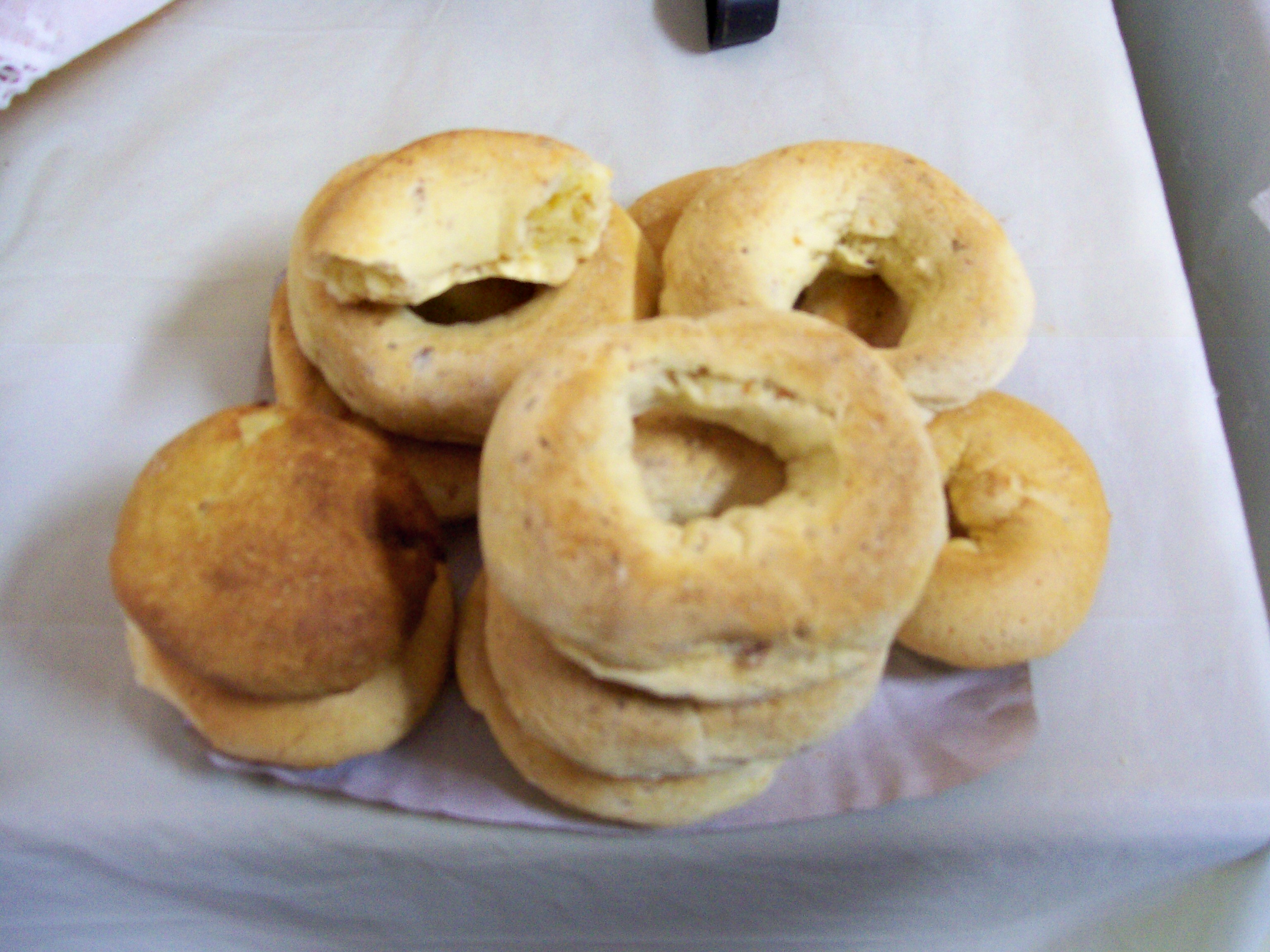
What to order first
Chipa. The small bread you meet before you ever sit down for a meal. The national food institute, INAN, gives the traditional base as cassava starch and queso Paraguay, with corn flour, egg, milk, oil, anise and salt in its published home formula. It comes as rings, diamonds, crescents and short ropes, baked in a tatakua (clay oven) or a home oven. People eat it at breakfast with mate cocido, the hot yerba drink, or as tereré rupa, the bite before a round of cold tereré. Law 5267/2014 made the second Friday of August the Día Nacional del Chipá. (In Holy Week, families bake it together on Wednesday for Good Friday, according to ABC Color's food writer Graciela Martínez.)
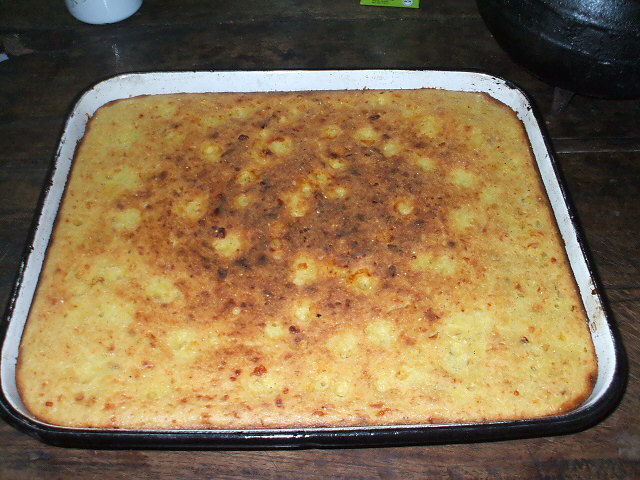
Sopa paraguaya. The name is the trap. It is a salted sponge cake of corn flour, onion, milk, pork fat, eggs and fresh cheese, served in a slice. The culture ministry declared the handmade version intangible cultural heritage in 2017. INAN prints two origin stories: a cook who added too much flour to Carlos Antonio López's white soup and baked the result, and Guaraní hosts out of meat who said so'o opa ("the meat is gone"), which visitors heard as "sopa". Pick your favorite. Sopa so'o has beef inside; sopa ryguasú has chicken.
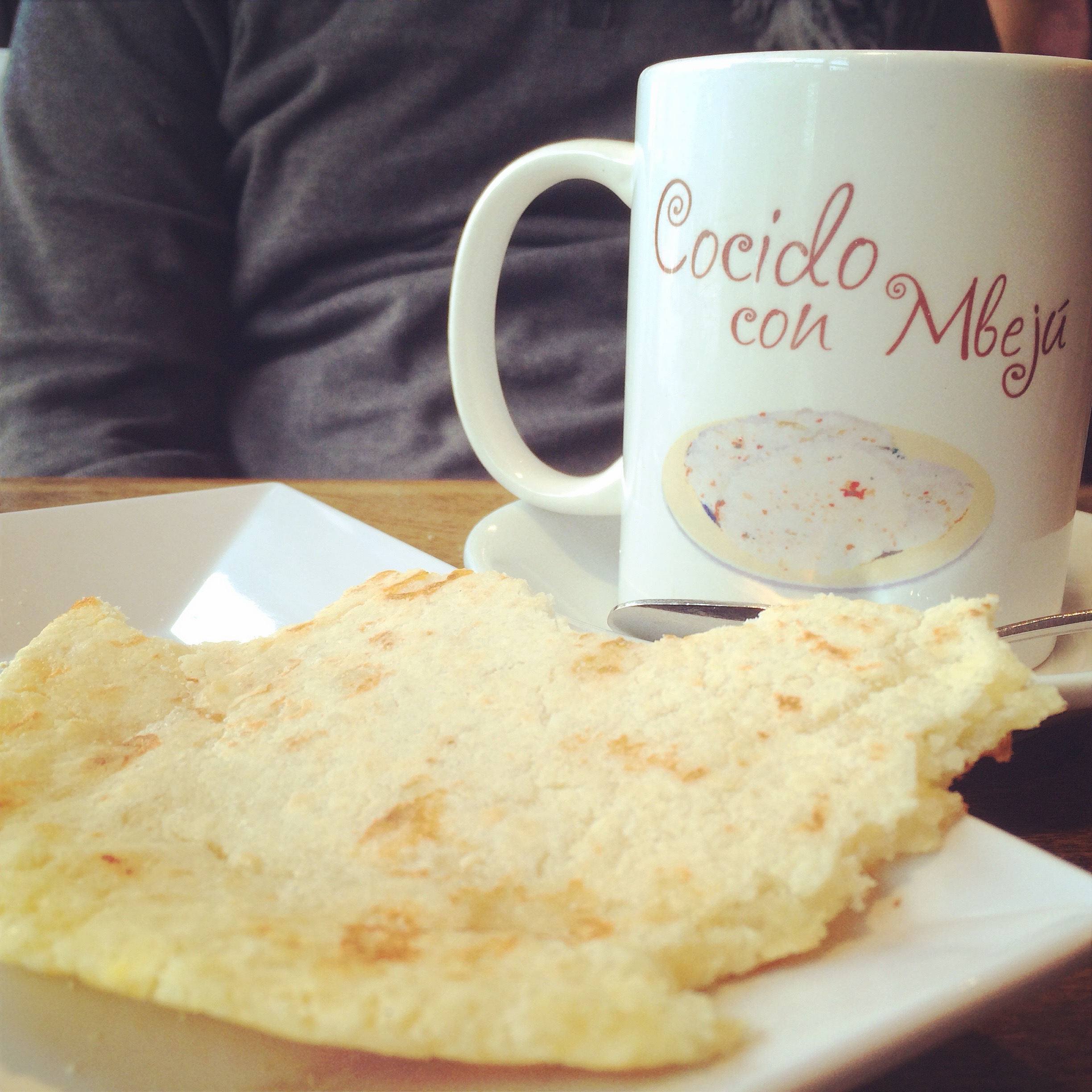
Mbejú. A flatbread of starch, salt, pork fat, cheese and milk. The base is cassava starch, which has no gluten. Like bread, it is eaten at any hour, and it pairs well with a cup of cocido.
Bowls, sides and the rest of the menu
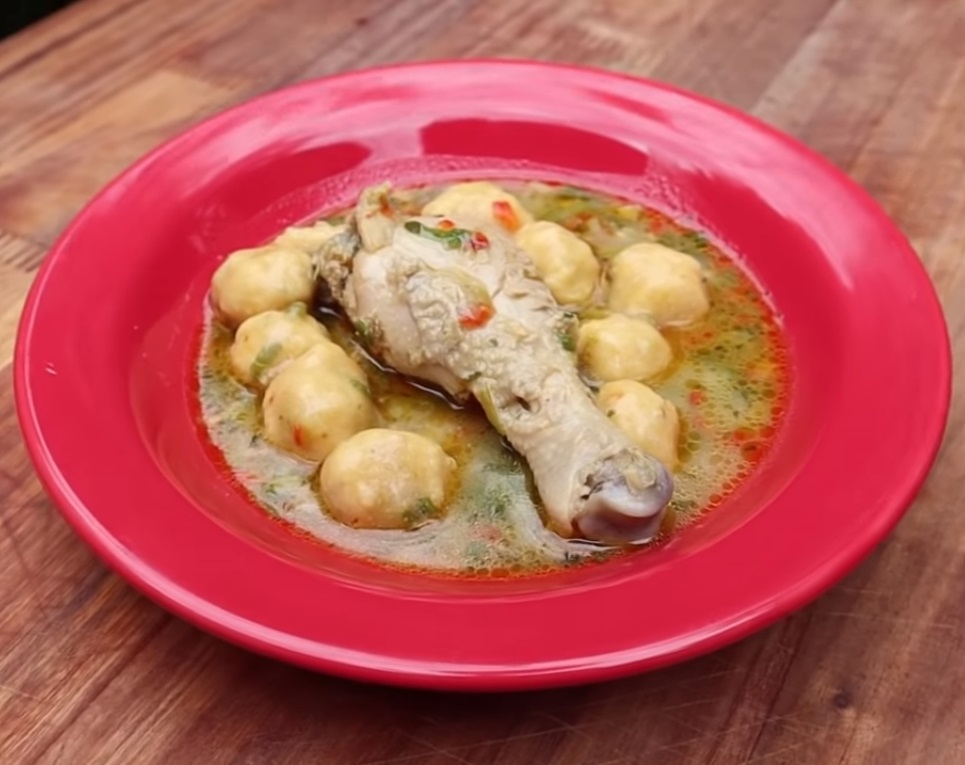
Vorí vorí is a soup that is actually a soup: chicken broth with small balls of corn flour and cheese. It shares the 2017 heritage list with sopa paraguaya.
Soyo (so'o josopy) is the beef one: ground beef, onion, garlic, red pepper and rice in a pot, served piping hot and slightly thick, with bread or boiled cassava.
Chipa guasu is not a big chipa. It is a cake of fresh corn, and it sits next to the meat at an asado. If the menu just says chipa, ask which one.
Pastel mandi'ó is an empanada of mashed cassava and corn flour with a meat filling.
Jopara and locro. Jopara is a pot of beans and locro, with meat and rice in the national list's version. Locro comes in three versions on the national list: with minced meat (locro so'o-cui), with cassava (locro mandi'ó) and white (locro blanco). Ask which one if the board just says locro. (Jopará is also the word for mixing Spanish and Guaraní in one sentence. Our jopará survival kit covers that one.)
Something sweet. Kivevé is a sweet mush of squash, corn flour, sugar, milk and cheese. Koserevá is a sweet of sour orange or grapefruit. Arroz quesú is rice with Paraguayan cheese, savory.
A shared meal: the asado
ABC Color's piece on the Día del Parrillero Paraguayo (the fourth Sunday of March, a salute to whoever runs the fire) sums up the ritual: the parrillero sets the pace, someone keeps the fire, someone passes plates, and doneness gets negotiated before anything else.
- Vacío: medium fire and time.
- Costilla: a slow cook so the collagen softens.
- Chorizo: even heat so the casing doesn't burst.
On the side: chipa guasu or sopa paraguaya to soak up the fat, and a crisp salad or a sharp sauce, from chimichurri to citrus, to cut it. Sunday asado is the classic invitation. Say yes.
Mandioca. Boiled cassava sits where bread would sit at lunch and dinner, which is why ABC Color calls it "the Paraguayan bread". It is never eaten raw: the root contains linamarin, which a proper boil removes. Fried, it is mandi'o chyryry.
Queso Paraguay. The fresh cheese in the chipa, the sopa, the vorí vorí balls and the arroz quesú. Martínez traces the name back to queso del Paraguay, later kesu paraguái.
Food names: a cheat sheet
Spellings move between Spanish and Guaraní (chipa and chipá, guasu and guazú). Learn the markers and the menu reads itself.
| Word | What it tells you | Examples |
|---|---|---|
| so'o | meat | soyo, sopa so'o, chipa so'o, locro so'o-cui |
| kesu / quesú | cheese | arroz quesú, kesu paraguái |
| mandi'ó | cassava | pastel mandi'ó, locro mandi'ó, mandi'o chyryry |
| avatí | corn | chipa avatí |
| guasu | the fresh-corn cake | chipa guasu |
| manduvi | peanut | chipa manduvi |
| josopy | soup | so'o josopy (soyo) |
Sources: the national list of 51 typical dishes and INAN's chipa family.
Other kitchens in Asunción
Asunción also cooks Korean, Japanese, Vietnamese, Chinese, Thai, Indian and European food. A starting list, each linked to the article that profiled it:
Korean
Start with the banchan, the small shared plates set in the middle before the main food. Koreans judge a place by them.
- Kyungkyune: grill-it-yourself Korean barbecue in barrio Pettirossi, near Mercado 4, with a second room at Villa Morra Park. The owner's tip for first-timers: seasoned tenderloin and picaña.
- Tobagui: barbecue combos and bibimbap at Cacique Tabaré and Ingavi, San Vicente.
- Kim's Bab: rice bowls (cup-bap), ramen and tteokbokki on México near Herrera, downtown. The no-grill option.
- Restaurante Su: soups, noodles and grill at Guido Spano 1712.
- Hansik: Korean grill with more than 25 cuts, at Mariscal López 4643 (Paseo K-Villa).
Japanese, Vietnamese, Chinese, Thai and Indian
- Sukiyaki: Japanese, open since 1970, at Constitución 763 near Pettirossi. Order the dish it is named for.
- Nanohana: Japanese, at Bruno Guggiari 498, open since 2012. Karaage and pork-and-kimchi ramen.
- Phở Noodle Bar: Vietnamese phở bò and fried rolls in Villa Morra, on Lillo between O'Higgins and Roque Gaona.
- Asia Express: Korean, Japanese and Chinese on one menu, at Manuel del Castillo 5359, Recoleta.
- Restaurante Rich: Chinese and Taiwanese, on Capitán Victoriano Bueno at Mariscal López, plus a branch in Fernando de la Mora.
- Sawasdee: Thai and Indian at Dr. Francisco Morra 646, Villa Morra, with vegetarian and vegan options.
Spanish, French, Italian and German
- Taberna La Malquerida: Spanish paella, adapted to Paraguayan taste, on Choferes del Chaco, Mburicaó.
- Le Sommelier: French-trained kitchen and a serious wine list, on Denis Roa near Santa Teresa.
- Auténtica Pizzería: thin Roman-style pizza in Ykua Satí. The local favorite on its menu is pollo catupiry.
- Ragusa: Neapolitan-style pizza from a tatakua in Sajonia, Isabel la Católica 1236.
- Bayern Stuben: schnitzel, eisbein and currywurst on Avenida Sucre, San Cristóbal.
Hours change, so check the restaurant's own Instagram or Google listing before you go.
Where to buy the ingredients
For the cheese, the starch, the corn and the herbs, go to Mercado 4. For the rest of the city, start with things to do in Asunción.
FAQ
What is sopa paraguaya?
A baked salted cake of corn flour, onion, milk, pork fat, eggs and fresh cheese, served in a slice. Despite the name, it is not a soup.
What is chipa?
A small bread made with cassava starch and queso Paraguay, with corn flour, egg and anise in the national food institute's formula. The second word in the name tells you the type: chipa guasu is a fresh-corn cake, chipa so'o has meat.
What Paraguayan food should I try first?
Chipa, then sopa paraguaya, then mbejú. Add vorí vorí or soyo if you want a bowl, and costilla, vacío and chorizo if the meal is a shared asado.
Is cassava safe to eat?
Cooked, yes. Mandioca is always boiled or fried before eating; a proper boil removes the linamarin in the raw root.
Food tastes better shared. Join Open Asu on WhatsApp and find people for your first asado, or your first chipa.