
Jopará Survival Kit: 30 Paraguayan Phrases That Make Locals Grin
Paraguay runs on two languages and a third one nobody officially invented. Spanish handles the paperwork. Guaraní handles the jokes. And jopará, the mix of both, handles everything in between: the bus, the market, the asado, the group chat. You don't need to speak it. But drop one phrase in the right moment and watch a stranger's whole face change.
Jopará, in one minute
Guaraní is one of Paraguay's two official languages, and most Paraguayans speak at least some of it. Jopará (the word means "mixture") is what happens when Guaraní and Spanish share a sentence. A Paraguayan might start a thought in Spanish, punch the middle in Guaraní, and land it with a Spanish word wearing Guaraní grammar. Nobody blinks.
That works in your favor. Half of what you'll hear on the street is Spanish you already half-know, sprinkled with a handful of Guaraní words that come up constantly. Learn those, and Asunción starts making more sense (and laughing harder at your jokes).
How to say it without sounding like a GPS
- Stress the last syllable unless an accent mark tells you otherwise. Jaha is jah-HAH, not JAH-hah.
- The apostrophe is a tiny catch in your throat, like the break in "uh-oh." Guaraní calls it the puso.
- A tilde means nasal. Say iporã like the end of the French "bon": ee-poh-RAHN, with the "n" mostly in your nose.
- Y is a vowel, somewhere between "ee" and "oo." Say "ee," then pull your tongue back. That's it.
- Ch sounds like "sh" and h sounds like an English h (Spanish speakers, it's not silent here).
Pronunciations on this page are friendly approximations, not a linguistics exam. Paraguayans will understand you, and they'll love that you tried.
Say hi
| Say this | It means | Use it when |
|---|---|---|
| Mba'éichapa? mbah-AY-shah-pah | How are you? | Anytime, anyone. Your default hello. |
| Iporã, ha nde? ee-poh-RAHN, hah n-DEH | Good, and you? | Someone hits you with mba'éichapa. |
| Mba'e la porte? mbah-EH lah POR-teh | How's it going? | With friends. It's pure jopará: Guaraní mba'e plus Spanish la porte. |
| Ha upéi? hah oo-PAY | So, what's new? | The neighbor sweeping the sidewalk. Street-level and friendly. |
| Eguahé porã eh-gwah-HEH poh-RAHN | Welcome | Greeting a guest, or decoding a welcome sign. |
Be polite
| Say this | It means | Use it when |
|---|---|---|
| Aguyje ah-gwuh-JEH | Thank you | The chipa seller, the bus driver, the guy who pointed you to the right bus. |
| Aguyjevete ah-gwuh-jeh-veh-TEH | Thank you very much | Someone saved your afternoon. |
| Aikuaa michĩmi guarani eye-kwah-AH mee-shee-MEE gwah-rah-NEE | I speak a little Guaraní | Right after your first phrase lands and they answer you in rapid Guaraní. |
| Ndaikuaái guarani n-dye-kwah-AH-ee gwah-rah-NEE | I don't speak Guaraní | Right after that doesn't work either. |
At the market or the chipa stand
| Say this | It means | Use it when |
|---|---|---|
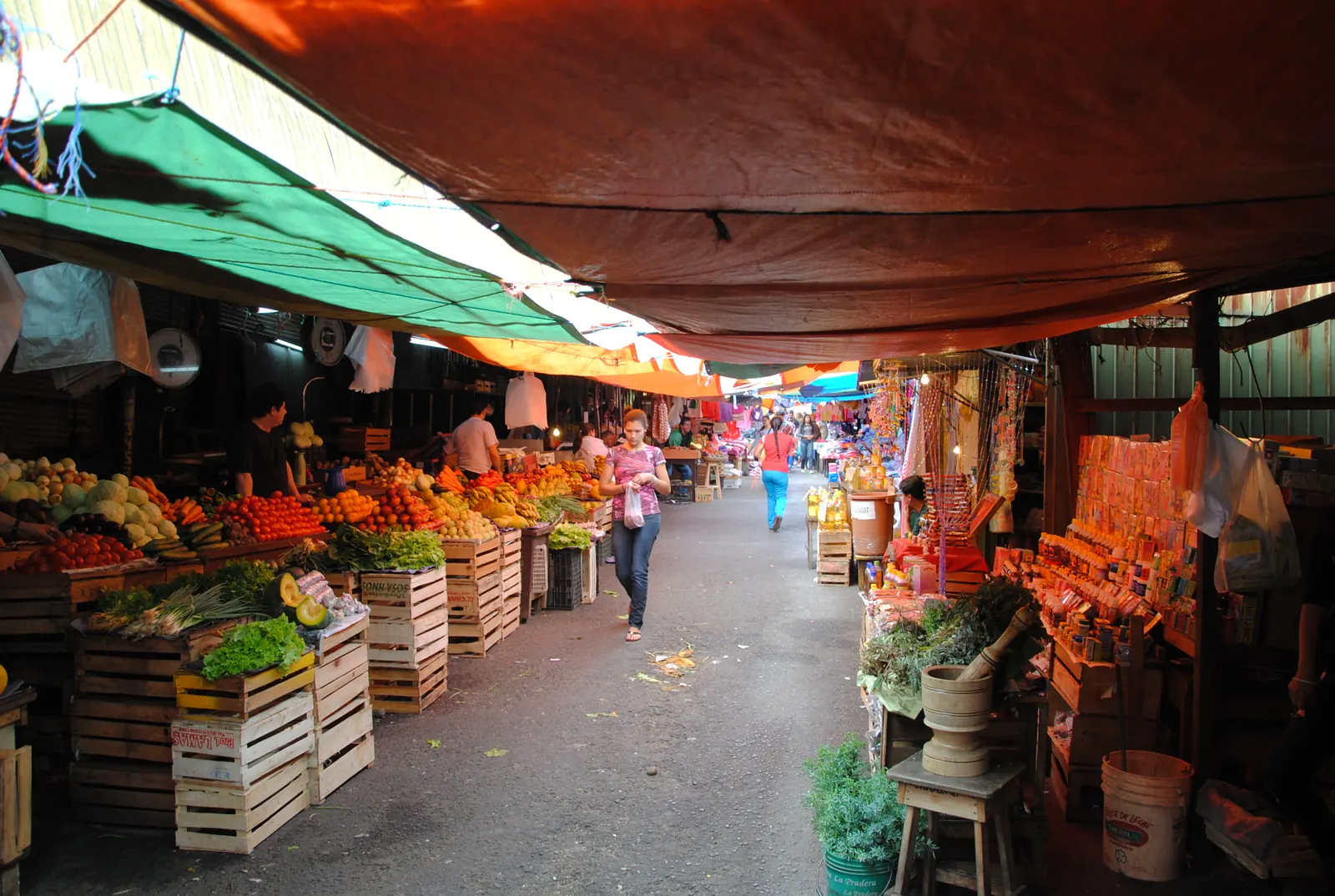
| Mboýpa ovale? mboh-UH-pah oh-VAH-leh | How much is it? | Any stall at Mercado 4. Bonus: ovale is Spanish vale with Guaraní grammar on top. Jopará in one word. |
| Aipota peteĩ chipa eye-poh-TAH peh-teh-EE CHEE-pah | I want one chipa | The chipa seller walks onto your bus. They will. |
| Peteĩ, mokõi, mbohapy peh-teh-EE, moh-KOH-ee, mboh-hah-PUH | One, two, three | Ordering chipa for the whole group. |
| Iporã! ee-poh-RAHN | Great! Delicious! Lovely! | First bite of sopa paraguaya. (Yes, the "soup" you eat with a fork.) |
Make plans
| Say this | It means | Use it when |
|---|---|---|
| Jaha! jah-HAH | Let's go! | The plan's on and everyone's still standing around. |
| Che ra'a sheh rah-AH | My friend | Greeting a friend. Or making one. |
| Ka'aru kah-ah-ROO | Afternoon | Proper tereré hours. See our tereré guide. |
| Pyhare puh-hah-REH | Night | When the heat finally breaks and Asunción comes outside. |
| Jajotopata jah-joh-toh-pah-TAH | See you later | Leaving anything. Beats "chau" for making people smile. |
Spanish, the Paraguayan way
Paraguayan Spanish has its own little words that do heavy lifting. You'll hear these every single day.
| Say this | It means | Use it when |
|---|---|---|
| Pasá nomás | Come on in, no fuss | You'll hear it at every door. Nomás softens anything: "sentate nomás," just sit. |
| Vení na | Come here (please) | Na is Guaraní's "please" softener, glued onto Spanish. "Pasame na": pass it, would you? |
| ¿Vamos pio? | So, are we going? | Pio turns a statement into a question with a little nudge. |
| Luego | (emphasis, not "later") | "Así es luego" means "that's just how it is." Don't wait around for later. |
| Chocho | Happy, thrilled | "Estoy chocho" after a four-hour asado. |
| Desbole | A total mess | Traffic on España at 6 pm. Your apartment the morning after. |
| Cachila | An old car | That 1980s sedan somehow still running on Mariscal López. |
Gossip, feelings and people
| Say this | It means | Use it when |
|---|---|---|
| Ndaje n-dah-JEH | Supposedly, they say | The official gossip marker. "Ndaje the new ramen place has a spicy challenge." |
| Javy'a jah-vuh-AH | We're happy | Toasting the group. |
| Vy'apavẽ nde arambotýre vuh-ah-pah-VEH n-deh ah-rahm-boh-TUH-reh | Happy birthday | Write it in the group chat. Earn instant legend status. |
| Karai kah-RYE | Sir, gentleman | Respectful address for an older man. |
| Kuña KOO-nyah | Woman | Building vocabulary. It hides inside bigger words, like kuñataí (young woman). |
Where to practice
- Everywhere, for free: try mba'éichapa on taxi drivers, chipa sellers and market vendors. They're the friendliest Guaraní teachers in the city.
- With other learners: come to an Open Asu meetup and try your phrases on people who'll cheer, not judge.
- Spanish first: if Spanish is still the bigger gap, start with our guide to learning Spanish in Asunción.
- More phrases: Omniglot's Guaraní phrase list covers greetings for every time of day.
FAQ
Is it jopará or yopará?
Same thing, two spellings. Jopará is the Guaraní spelling, and yopará is how Spanish writes the same sound. We use jopará.
Do I need to learn Guaraní to live in Asunción?
No. Spanish covers everything practical. A few Guaraní phrases buy you warmth, laughs and maybe an extra chipa.
What does "mba'éichapa" mean?
"How are you?" It's the everyday Guaraní greeting. Answer with "iporã, ha nde?" (good, and you?).
How do you say thank you in Guaraní?
"Aguyje" (ah-gwuh-JEH). For "thank you very much," say "aguyjevete."
What's the most Paraguayan phrase?
"Pasá nomás," which means come on in, no fuss. You'll hear it at nearly every door in the country.
Got a favorite phrase we missed? Tell us in the WhatsApp group. Jajotopata.