
Tereré: Paraguay's Cold Drink and How a Round Works
Tereré is yerba mate drunk with cold water, usually shared from one cup, and it is Paraguay's national drink by law. The word is stressed on the last syllable, as the written accent shows: te-re-RÉ. In 2020 UNESCO inscribed the practices and traditional knowledge of tereré in the culture of pohã ñana, the medicinal herbs pounded into the water, on its Representative List of the Intangible Cultural Heritage of Humanity. Here is what goes into it, how a round works, where to buy the herbs in Asunción and when the national day falls.
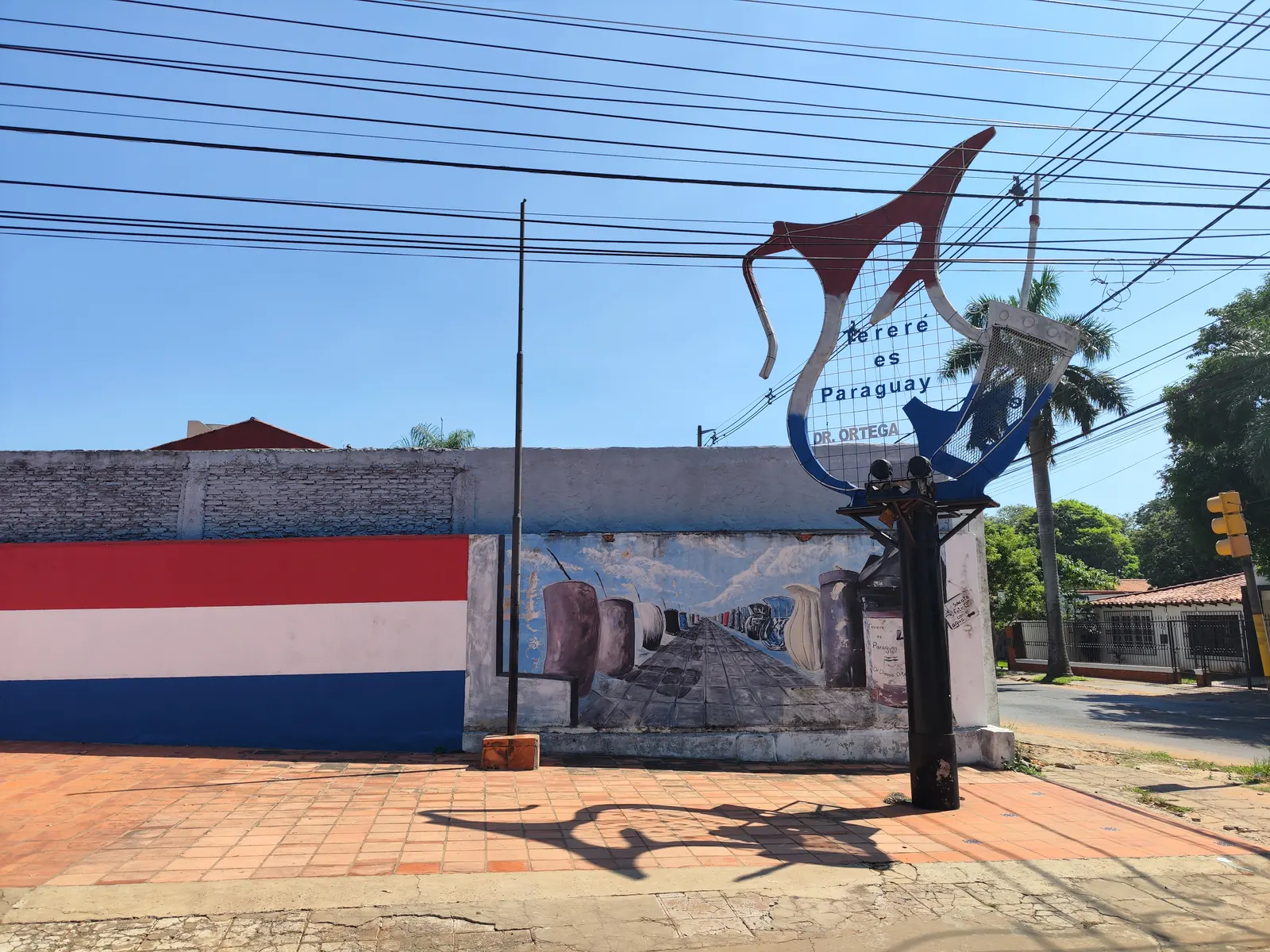
What is tereré?
The Real Academia Española defines tereré as a drink made with yerba mate and cold water, in some places mixed with medicinal herbs, and gives its origin as Guaraní. Paraguay's Ministry of Health (MSPBS) describes it as water with ice and yerba mate, to which medicinal herbs and lemon can be added.
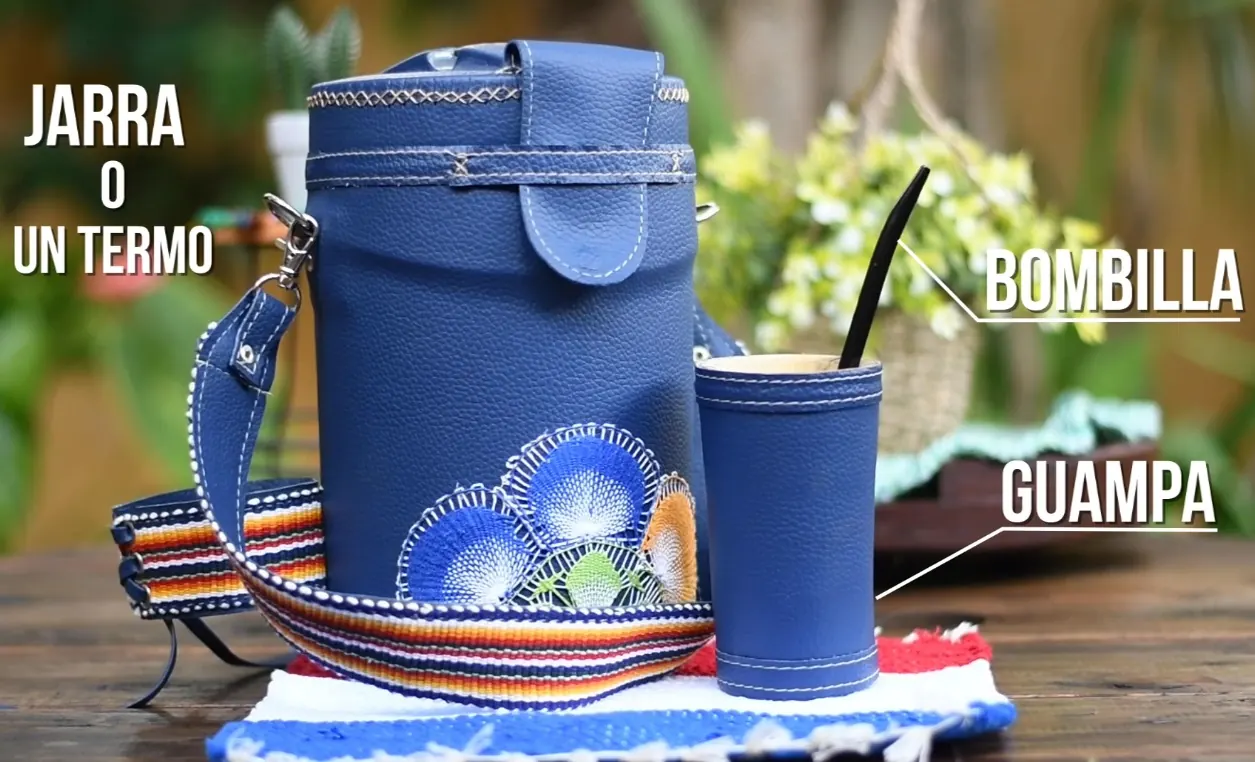
UNESCO describes three parts: a jug or thermos of cold water mixed with pohã ñana crushed in a mortar, a cup filled with yerba mate, and a bombilla, the metal or cane straw you drink through.
The cup is the guampa. BBC Mundo, reporting from Asunción, described the classic guampa as cow horn, with metal, glass and plastic cups also in use. The bombilla has small holes at one end, so the water passes and the yerba stays behind. The same report says the name tereré imitates the sound of the last sips.
According to BBC Mundo, some people eat a snack first called tereré rupa, literally a "bed" for the tereré, so the cold water does not hit an empty stomach.
Tereré vs mate
Both use yerba mate. The difference is the water: the RAE defines mate as an infusion, a drink made with boiling water, while tereré is made with cold water. Herbs can go in both, but in the Paraguayan tereré UNESCO describes, the pounded herbs are central, which is why its listing names tereré together with the culture of pohã ñana.
How a round works
Tereré is usually shared, and one person serves. The Spanish verb is cebar, and BBC Mundo reported the tradition that the youngest in the group serves. The server pours water into the guampa and hands it to one person, who drinks through the bombilla and hands it back, and the guampa moves on. La Nación describes this as passing the guampa from hand to hand.
Both BBC Mundo and La Nación explain one custom the same way: saying "gracias" means you do not want any more, and on the next pass the server skips you. If you would like another turn, simply hand the guampa back.
UNESCO calls the preparation an intimate ritual with pre-established codes, and says sharing tereré promotes inclusion, friendship, dialogue, respect and solidarity. Details vary between groups, so follow the lead of whoever is serving.
Yuyos: the herbs that go in it
Yuyos is the everyday word for the herbs. In Guaraní the medicinal herbs are pohã ñana, and the refreshing kind added to tereré are pohã ro'ysã, which the Ministry of Health translates as "remedio refrescante" (refreshing remedy).
The Ministry of Health lists among the most popular cedrón (lemon verbena), mint, hierbabuena, taropé, kapi'i katî, perdudilla, ajenjo, jaguarete ka'a, para para'i and agrial. Vendors quoted in the press also name menta'i, burrito and kokũ. The ministry gives two tips: wash the herbs well before crushing them, and avoid mixing more than two kinds.
Families pass down traditional uses for each herb, which UNESCO recognizes as popular knowledge. This page does not repeat those uses as health claims. A vendor quoted by ABC Color in 2020 put it simply: ask which yuyo you are drinking, and take care with combinations.
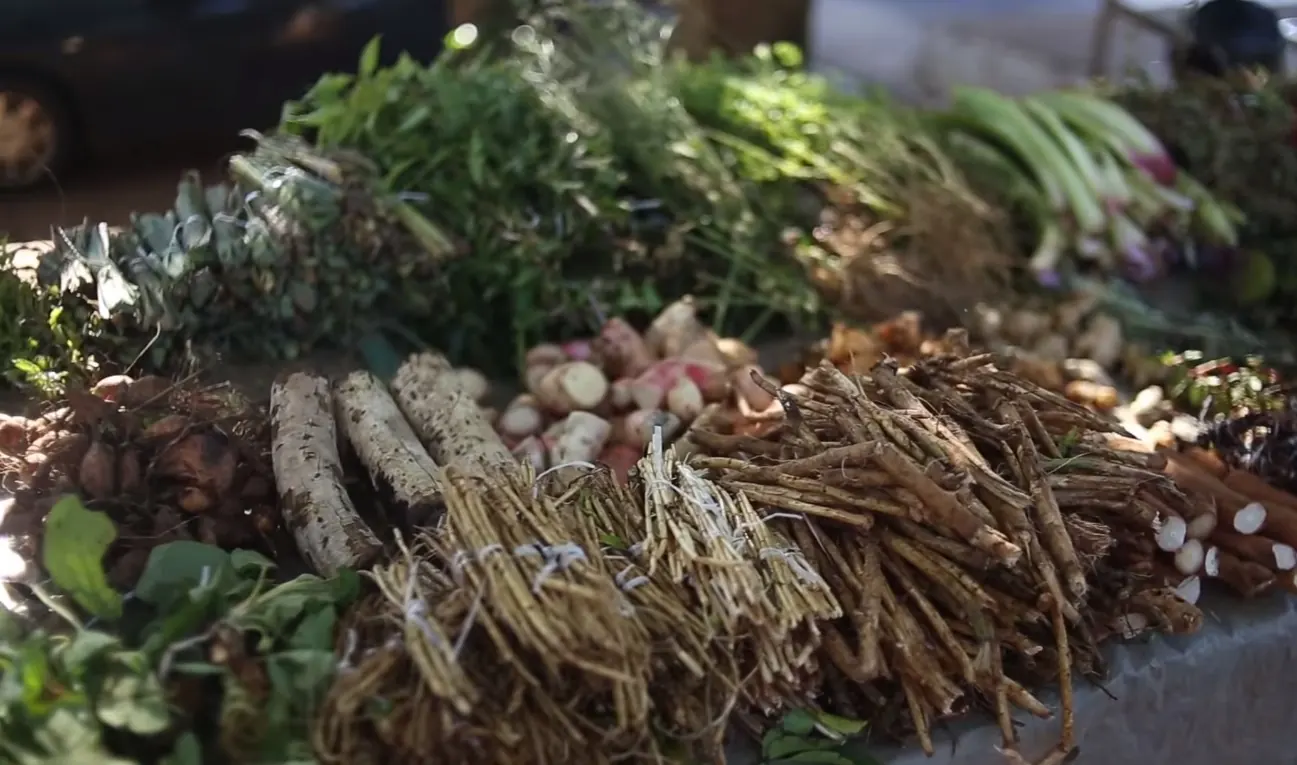
Where to buy yuyos in Asunción: the Paseo de los Yuyos at Mercado 4
In Asunción, fresh yuyos are sold at the Paseo de los Yuyos at Mercado 4, which ABC Color calls iconic. The national culture secretariat (SNC) held its 2018 national-day celebration there, at República Francesa and Pettirossi.
In August 2026, ABC Color and Última Hora reported that the city proposed moving about eight vendors to another street for an estimated seven months while a private commercial building goes up beside their stalls. The city said the building would include new stalls a few meters away; the vendors asked to stay on the same sidewalk. We found no later report, so check before you go. Directions are in our Mercado 4 guide, and the market also appears in our free and low-cost things to do.
How to make tereré at home
A plain description based on the UNESCO, Ministry of Health and BBC Mundo accounts, not an official recipe:
- Wash a few fresh yuyos (one or two kinds), crush them in a mortar and put them in a jug or thermos with cold water and plenty of ice.
- Fill the guampa with yerba mate and set the bombilla in the middle.
- Pour a little water into the guampa, sip it slowly through the bombilla, and refill for the next person.
Water and ice with no herbs is also tereré in the Ministry of Health's description, and some people add lemon. For an afternoon round, the vendor quoted by ABC Color suggested a little cedrón or mint rubbed between the hands rather than pounded.
A short history
UNESCO describes tereré as a Guaraní ancestral drink passed down in Paraguayan families since about the 16th century. BBC Mundo reported in 2010 that the exact origin is unclear: most attribute it to the Guaraní, while other accounts link it to yerba plantation workers in the early 20th century or to the Chaco War (1932 to 1935).
Congress passed Ley 4261 in late 2010, declaring tereré cultural heritage and national drink of Paraguay; it is cited as Ley 4261/2011. In 2019 the SNC declared the practices and knowledge of tereré national intangible cultural heritage (Resolución 219/2019). In 2020 UNESCO added them to its Representative List.
Día Nacional del Tereré
Ley 4261/2011 sets the last Saturday of February as the Día Nacional del Tereré, "to protect and strengthen national identity", and tasks the SNC with promoting tereré at home and abroad. The next date is in the box above.
Celebrations change each year. In 2018 the SNC marked the day at the Paseo de los Yuyos with music and dancing, and with pohã ñana and tereré rupa for sale. The district of Itakyry in Alto Paraná holds a Festival del Tereré, whose 28th edition ran over two nights in February 2026. For events in Asunción around the date, see Find a performance.
Tereré in the heat
The Ministry of Health calls tereré refreshing but says it does not hydrate, because of the diuretic effect of the yerba. Its January 2026 heat advice is to drink at least two to three liters of water a day, not to wait until you feel thirsty, and to drink water as well if you drink tereré. More in our summer heat guide.
FAQ
What is tereré?
Yerba mate drunk with cold water, often with crushed herbs (yuyos), served in a guampa and sipped through a bombilla.
How do you pronounce tereré?
te-re-RÉ, with the stress on the last syllable.
What is the difference between tereré and mate?
Tereré is made with cold water, mate with hot water. Both use yerba mate.
What herbs go in tereré?
The Ministry of Health lists cedrón, mint, hierbabuena, taropé, kapi'i katî, perdudilla, ajenjo, jaguarete ka'a, para para'i and agrial among the most popular, and advises using no more than two kinds at once.
When is the Día Nacional del Tereré?
On the last Saturday of February, under Ley 4261/2011.
Does tereré hydrate you?
Paraguay's Ministry of Health says it refreshes but does not hydrate, and recommends drinking water as well.
Where can I buy yuyos in Asunción?
At the Paseo de los Yuyos in Mercado 4. Some stalls may move during building works, so check before you go.
Share a round: join a plan on Meetups.