
Culture · A weekday museum visit
Museo Andrés Barbero: a weekday visit beyond the usual city circuit
Sources checked 2 November 2026
If you live in Asunción and want to understand more of Paraguay than its independence story, put the Museo Etnográfico Dr. Andrés Barbero on your weekday list. Its focus is Indigenous material culture and archaeology, with a research collection behind the displays. It is a different kind of visit from a contemporary-art exhibition or a quick photograph outside a landmark. The useful catch: its published schedule is Monday to Friday, and the website retains an old closure notice. Confirm the exhibition is open before making a special journey.
The details that matter before leaving home
| Question | Published information and limitation |
|---|---|
| Where? | Avenida España 217, near Mompox, Asunción. Use the museum name and the junction, not just a street number copied from a directory. |
| When? | The museum's contact page lists Monday–Friday, 08:00–17:00 for museum and library. It does not list weekend opening. This is the standing published schedule, not a telephone confirmation for today. |
| Admission? | SENATUR's visitor listing says free. The ICOM Paraguay directory agrees, but its underlying survey is dated September 2023. No current paid tariff was found. |
| Contact? | +595 21 441 696; museobarbero@museobarbero.org.py. SENATUR also lists +595 981 677 131. |
| Guided visits? | The museum asks groups to arrange ahead by telephone. ICOM lists guided visits, including by appointment; that does not guarantee an English- or Portuguese-speaking guide on arrival. |
Sources: the museum's contact page, SENATUR listing and ICOM directory entry, checked 2 November 2026.
What to look for inside
The museum's virtual-visit introduction describes ceramics, baskets, textiles and other objects alongside archaeological material and photographs. Rather than trying to absorb every label, choose a material or a question: how a basket is constructed, how a vessel was used, or how an object's maker and community are identified. These are suggestions for reading the exhibition, not a promise that a particular object will be displayed on your date.
A second question makes the visit more interesting: who assembled the collection? The museum's institutional history describes purchases, donations and fieldwork associated with Andrés Barbero, Max Schmidt and Branislava Susnik. Reading that history alongside the objects helps distinguish the people represented from the researchers who collected and classified their work. Indigenous communities are living communities, not a chapter that ended when an object entered a display case.
Why the dates online need care
The home page still highlights a notice saying the exhibition will close throughout March for repairs while the library remains open. The notice itself does not show a year in its visible text. Nearby items refer to January 2022 and December 2021. That is not evidence of a November 2026 closure, but neither should a directory's opening hours override a possible operational change.
Ask one specific question before travelling: “¿Está abierta la exposición hoy, además de la biblioteca?” If you need a guided visit, add the language and number of visitors. Do not assume access to the library means every exhibition room is available. The public library link also returned a missing-page message during this check, so arrange specialist research enquiries directly rather than planning around an online catalogue.
Getting there without turning it into an ordeal
The museum places itself a few blocks from Plaza Uruguaya. Open the museum in Maps and compare the final walking section with the day's heat and your mobility. A direct taxi or app ride is a reasonable choice if a longer walk would make the visit unpleasant. No fixed fare is quoted here because origin, time and demand change it.
The museum website names several bus lines, but the page is undated. Check the current route and stop before boarding rather than relying on that old list. Our getting-around guide and Jaha card guide cover the practical transport choices.
Accessibility, research and a realistic afternoon
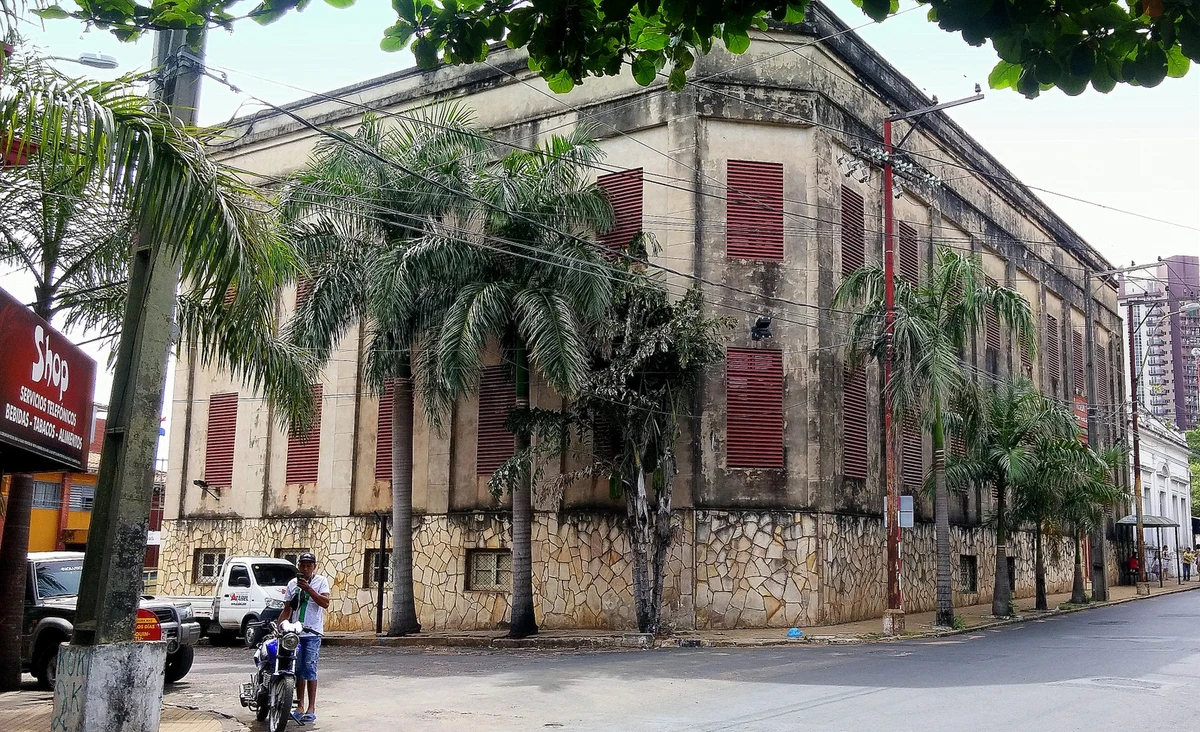
We did not find verified details for step-free entry, an accessible toilet, seating throughout the route or exhibition languages. If any is essential, ask staff before leaving. “Can I enter?” and “Can I complete the whole exhibition comfortably?” are different questions. The street photograph accompanying this guide dates from 2017 and cannot establish current entrance conditions.
For a general visit, choose one museum rather than trying to pack every central venue into a single hot afternoon. For research, explain the subject and material you want to consult when contacting the museum; a public visiting schedule does not establish permission to handle or reproduce archive material. If your main goal is borrowing a book or finding somewhere to read, start with our libraries guide instead.
Map: Locate the museum on Avenida España near Mompox.
For everyday local tips, find the Open Asu community on WhatsApp.