
Practical guide
Getting Around Asunción: Buses, Ride Apps, Taxis and the Airport
Asunción moves three ways: by colectivo, by ride app and on your own feet. The bus is the cheapest, at ₲2,300 a ride. The apps are the easiest, with the price on screen before you go. Walking works in patches, until November, when the heat sends everyone back to the apps. Here's how each one works and when to pick which.
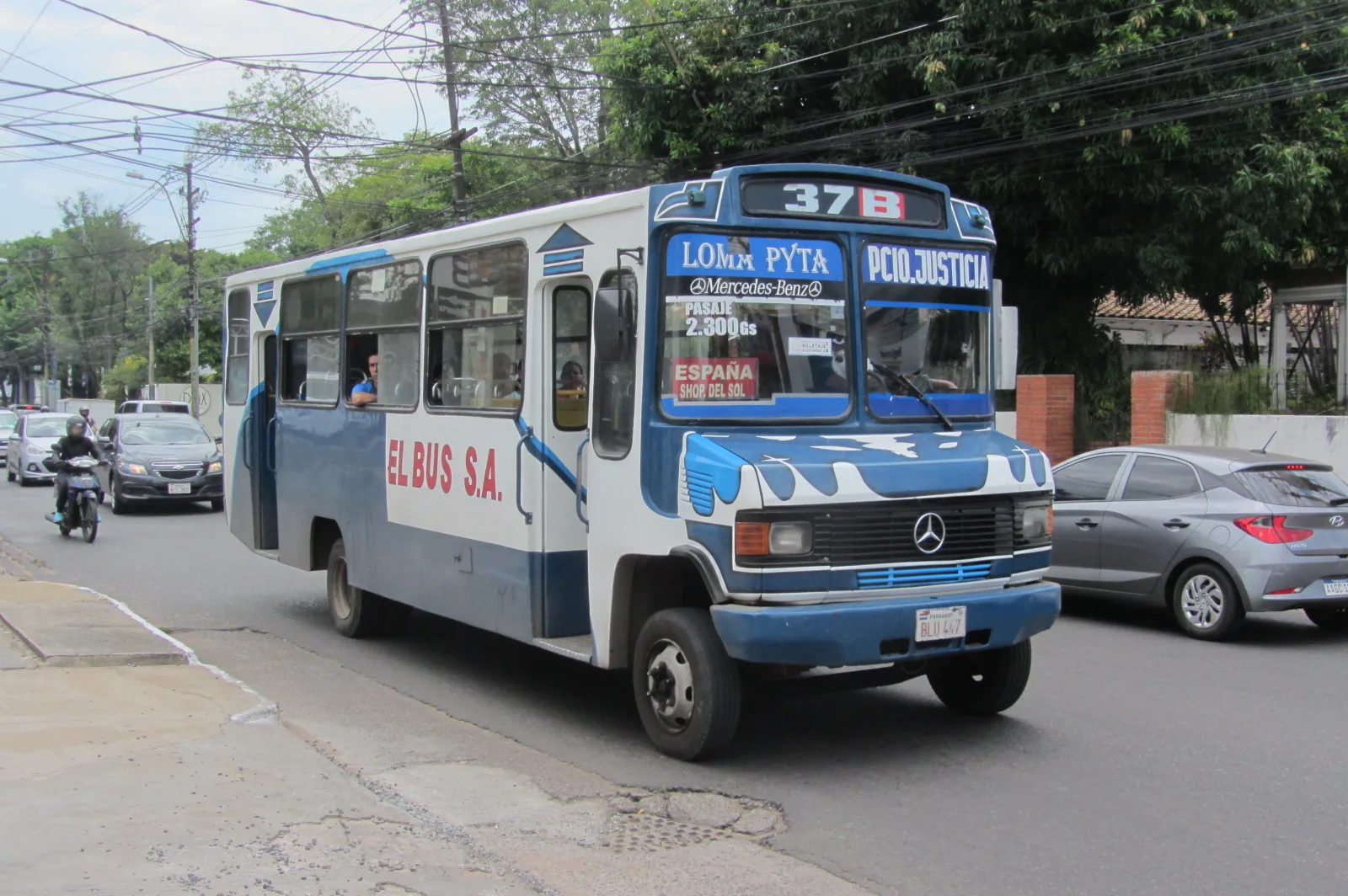
The bus
The colectivo network covers Asunción and the Gran Asunción cities around it, Luque and San Lorenzo included. A conventional bus costs Gs. 2,300 and a differential bus Gs. 3,400; differential buses add air conditioning and reclining seats, depending on the operator. From 10 pm to 4 am, Búho night buses run at Gs. 3,400.
The catch: the system assumes you already know it. Stops are loosely marked, schedules run approximate (hora paraguaya, the local habit of running late, applies to buses too), and drivers don't announce stops. Keep a map app open so you know where to get off.
Bus cards: buy one before you need it
Buses don't take cash. You tap a Jaha or Más Tarjeta card on the validator. Más Tarjeta lists its card at Gs. 25,000, including one journey.
- Find an authorized sales or recharge point on the Más Tarjeta map. Aquí Pago, Pago Express, Biggie and Tigo Money points sell and top up cards.
- Buy the card and add credit.
- Tap the card on the validator when you board.
- Link the card in the Más app to check your balance and trips.
Track the bus. The Más Tarjeta Billetaje app (Android, iPhone) shows routes and live positions for its affiliated buses, and the Jaha app does the same for its lines. Check that your line appears, match the direction, and pick your stop before you board.
Ride apps: Bolt, Uber and MUV
Three apps cover the city. Each quotes a price before you confirm, and prices rise with demand.
- Bolt runs nine categories in Asunción, from Economy and XL to Motorcycle and Women for Women, a women-only option for verified riders.
- Uber takes reservations up to 30 days ahead and has an emergency assistance button in the app.
- MUV is the Paraguayan app, covering Gran Asunción, Ciudad del Este and Encarnación. It takes cash or card, but saves only Paraguayan cards, and lets you filter for a woman driver, a pet or accessibility needs. WhatsApp: +595 21 618 8007.
Before you request: read the destination back, because similar street names are common. Drag the pickup pin to the exact door, especially at shopping centers and hospitals with more than one entrance. When the car arrives, match the plate, model and driver photo to the booking before you open the door.

Street taxis and taxi stands
Taxis still wait at paradas, marked stands. Asunción has 76 authorized stands, mostly downtown and outside hospitals and shopping centers. The city's own list dates from 2019, so a stand you remember may have moved. You can also hail a free taxi on the street or call a radio taxi.
By city ordinance, drivers charge what the meter (taxímetro) shows, with day, night and Sunday rates. Meters don't surge the way apps do. Check that the meter runs before the car moves, or agree a price first.
Paying for a ride
In the apps, you choose cash or card before you confirm, and the choice shows on the trip screen. With a foreign card, pay MUV in cash or use Bolt or Uber. Carry small notes as a backup for drivers who prefer cash. For street taxis, have guaraníes ready and ask before you get in whether the driver takes cards.
The airport run

Silvio Pettirossi International Airport sits in Luque, 15–20 minutes from central Asunción in normal traffic. Official taxis, run by Cooperativa Mburuvicha under a contract with DINAC, the civil aviation authority, wait at the rank inside the terminal and charge about ₲120,000–180,000 to the center. No official fare list exists online, so confirm the price before you load your bags. Our airport to city guide walks through the options.
Or book Bolt or Uber. The app guides you to its pickup point, and a Bolt to Villa Morra runs under ₲100,000 outside surge. Arriving to stay? Our moving guide covers your first 30 days.
Walking
Asunción is walkable in patches, not as a whole. Calle Palma downtown, Villa Morra for daily errands and the Costanera all work on foot. Between neighborhoods, the distances are real, sidewalks vanish without warning, and from November to March midday walking is hard work (see our summer heat guide).
The rule: walk within your neighborhood, ride between neighborhoods. Choosing where to stay partly on walkability? Our where-to-stay guide breaks down which areas work on foot.
After dark
Buses thin out, walking between neighborhoods stops making sense, and the app becomes the default. Book door to door, and keep your phone in your pocket until the car arrives. Heading to bars or a late dinner? Price the ride home before you go, so the number doesn't surprise you at 1 am.
Habits for a smooth ride
- Settle the fare first. Meter running or price agreed in a taxi; quote on screen in an app.
- Show the address on your phone. It beats spelling a street name over traffic noise.
- Check your change. Banks accept doubtful notes and pass them to the central bank for analysis. New banknote designs arrive in the first quarter of 2027, alongside the current notes.
- Allow extra time around Mercado 4. Traffic there slows every pickup.
The short version
- Bus and card for cheap daytime trips once you know your route.
- Bolt, Uber or MUV for everything else: known price, door to door.
- Walk within your neighborhood; ride between neighborhoods.
- After dark: the app, door to door.
- Airport: the official taxi rank or a ride app.
FAQ
What is the cheapest way to get around Asunción?
The bus: Gs. 2,300 for a conventional bus and Gs. 3,400 for a differential one, paid with a Jaha or Más Tarjeta card.
Can I pay cash on Asunción buses?
No. Buy a Jaha or Más Tarjeta card at Aquí Pago, Pago Express, Biggie or Tigo Money points, load credit, and tap when you board.
Is there Uber in Asunción?
Yes, along with Bolt and the Paraguayan app MUV. All three show a price before you confirm.
How much is a taxi from Asunción airport to the city?
The official taxi rank charges about ₲120,000–180,000 to central Asunción. A Bolt to Villa Morra runs under ₲100,000 outside surge.
Do taxis in Asunción use a meter?
Yes, by city ordinance. Check that the meter runs before you set off, or agree a price first.
Can I pay for a ride app in cash?
Yes. You pick cash or card before you confirm. MUV saves only Paraguayan cards, so with a foreign card, pay MUV in cash.
Are there buses at night in Asunción?
Yes. Búho night buses run from 10 pm to 4 am at Gs. 3,400.
The fastest way to learn the bus is a local showing you once. Join Open Asu on WhatsApp and ask someone to walk you through their route.