
Overnight trip
The Paraguayan Chaco: An Overnight Trip from Asunción
The Paraguayan Chaco is an overnight trip from Asunción, and it is worth planning at least two nights. It is the vast, flat west of Paraguay, reached by the Transchaco road, with Filadelfia about 470 km from the city. It is not the same place as Chaco'i, the riverside town just across from Asunción that you reach by boat, which our Costanera guide covers.
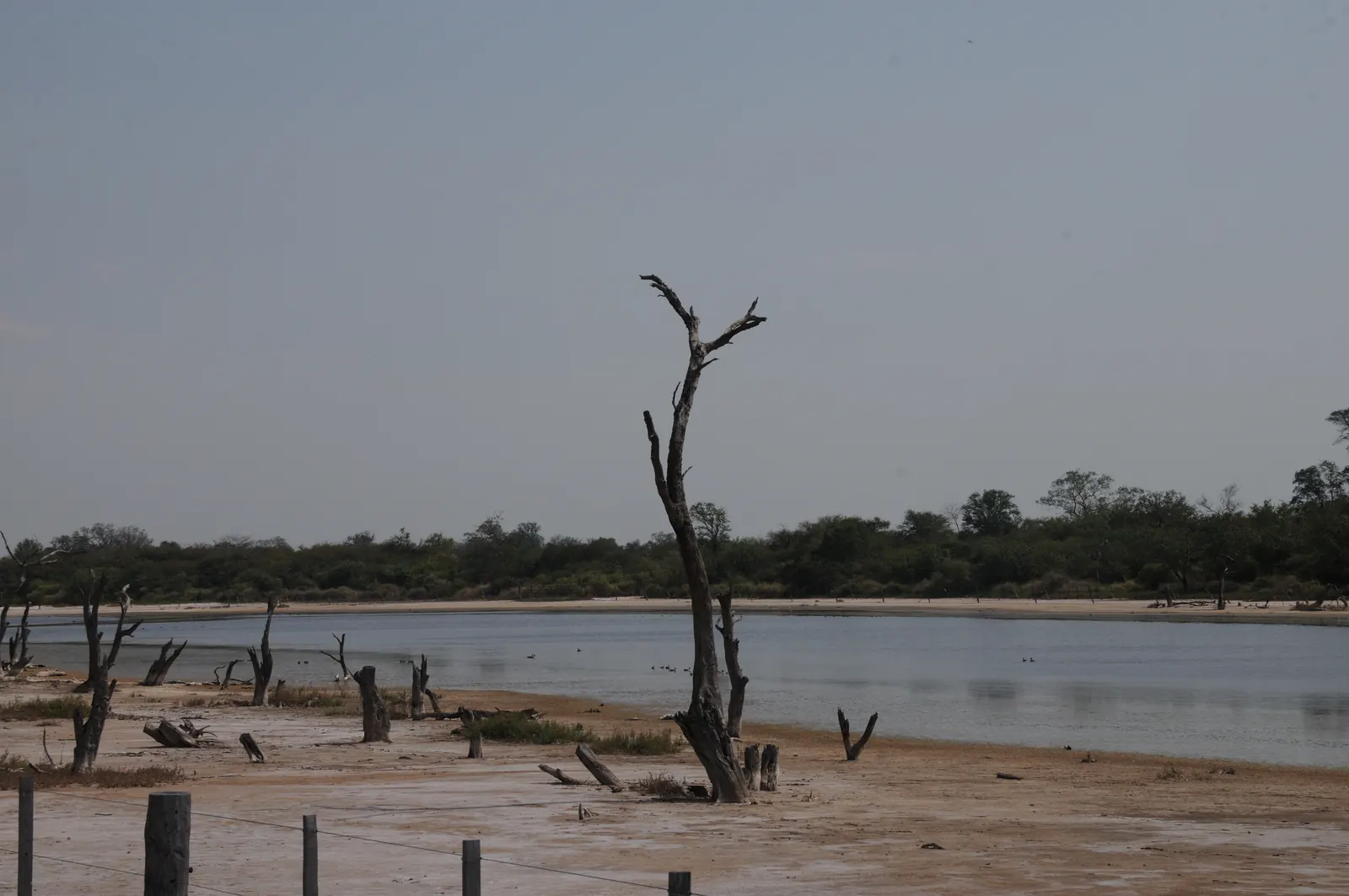
The road: the Transchaco
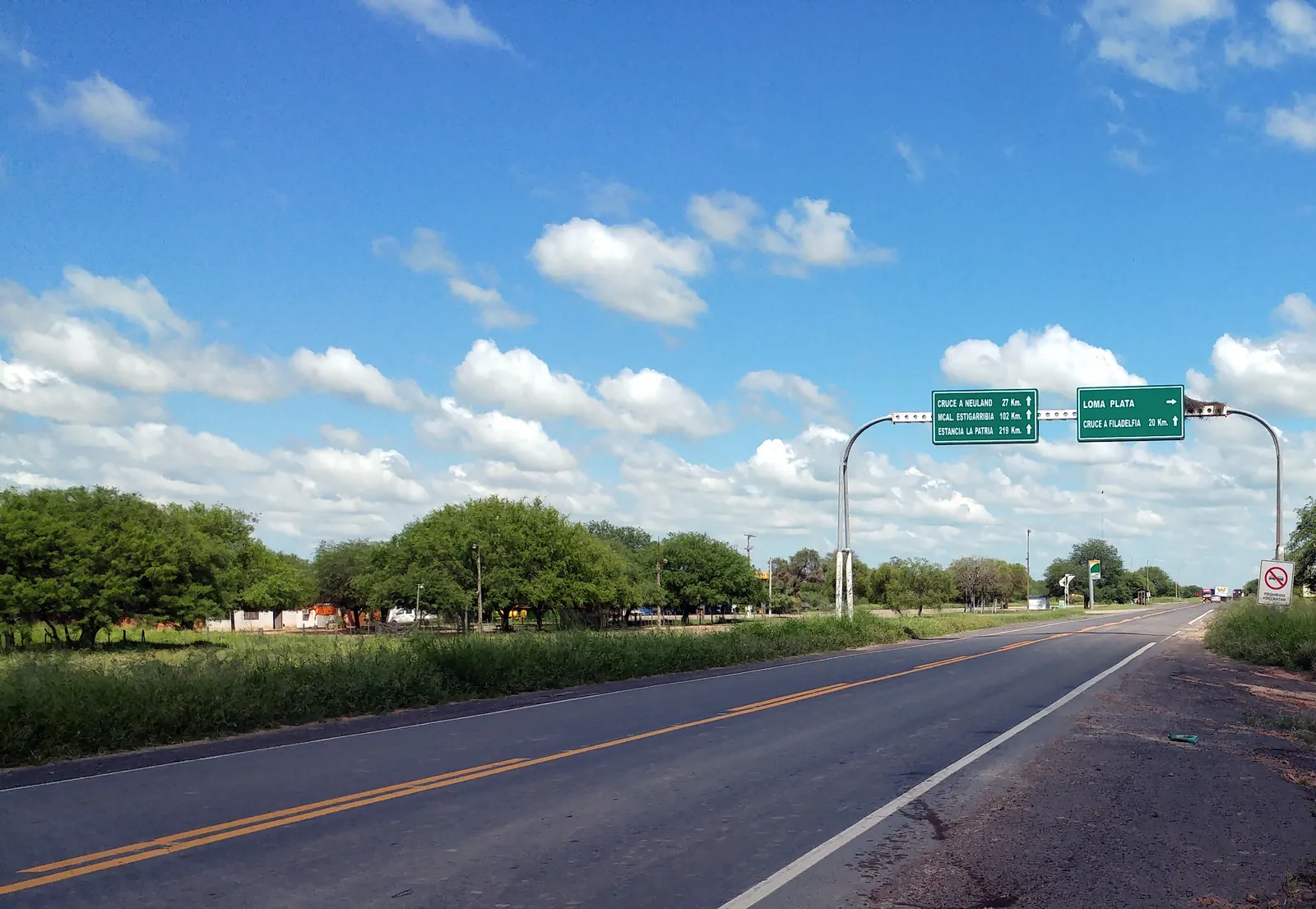
The Transchaco is the main road into the Chaco. The Ministry of Public Works (MOPC) numbers it Ruta PY09, and it was built in the 1960s, according to the Fernheim cooperative. MOPC calls a different road, Ruta PY03, the "exTranschaco", so check route numbers.
Distances are long. SENATUR puts Loma Plata about 450 km from Asunción, Filadelfia about 470 km and Mariscal Estigarribia 520 km. The Ministry of Environment (MADES) says the pavement ends at La Patria, 630 km out, and the roads beyond are unpaved. We could not confirm a reliable driving time or current road conditions, so check MOPC's route status page before visiting.
Getting there by bus
For anyone asking how to get from Asunción to Filadelfia, or como llegar a Filadelfia Chaco paraguayo without a car, long-distance buses leave from the city's bus station, the Estación de Buses de Asunción. Its official timetable lists three companies for the Chaco: NASA and Golondrina run to Filadelfia, Loma Plata, Neuland and Mariscal Estigarribia, and La Concepcionera runs to Neuland. No journey times are published, so ask at the counter; fares are in the box above.
Because of the distance, the Chaco sits under Worth an overnight on our list of trips from Asunción.
Filadelfia and the Mennonite colonies
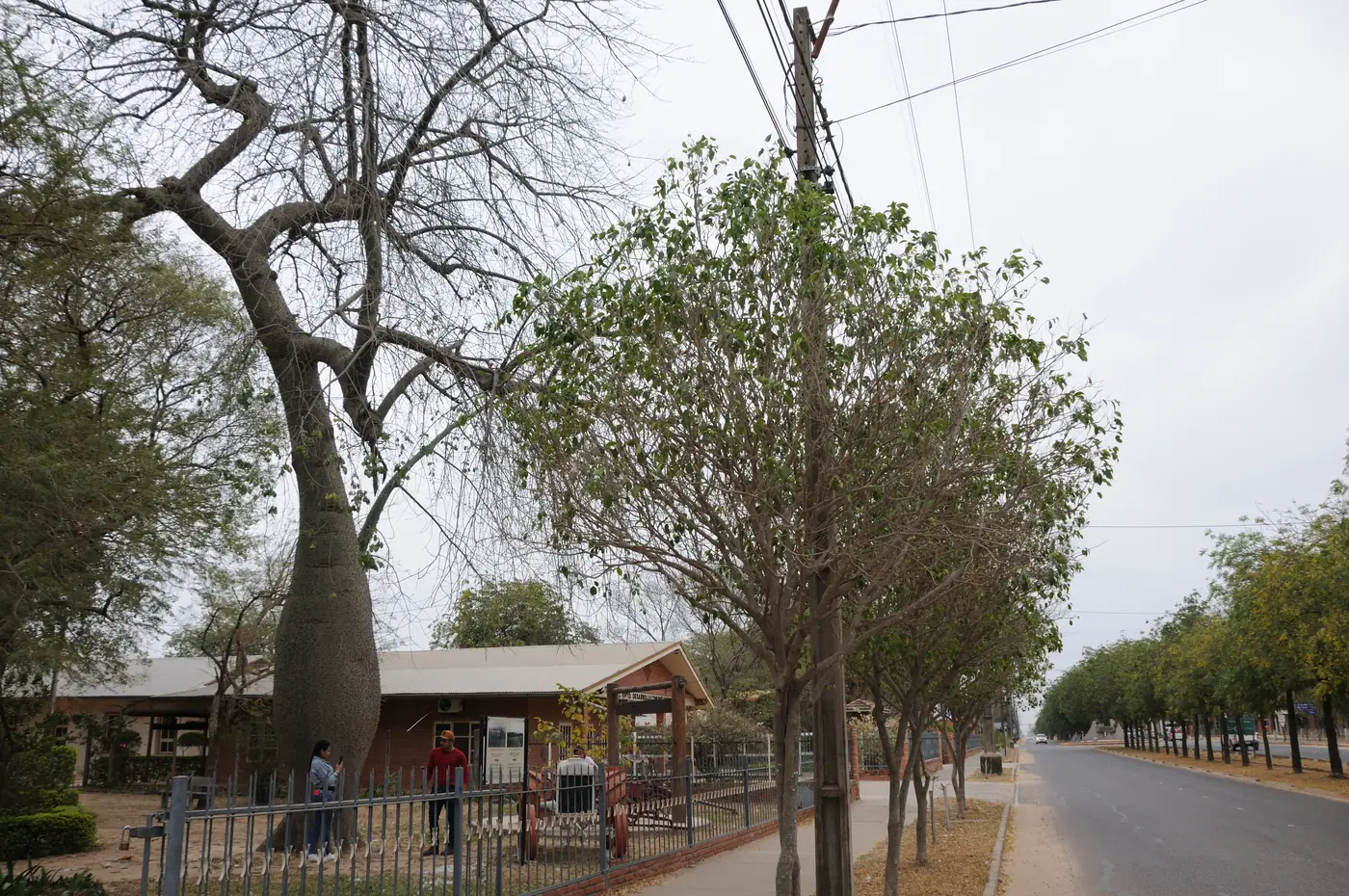
Filadelfia is the capital of Boquerón, the country's largest department. As for the Filadelfia Chaco ubicación, it sits in the central Chaco, about 470 km up the Transchaco. Like Loma Plata and Neuland, it was founded by Mennonite communities in the twentieth century.
According to the Fernheim cooperative, the Fernheim colony was founded in 1930 by 1,572 Mennonite refugees from the Soviet Union; the name means "distant home". Filadelfia, meaning "brotherly love", was founded in 1931 as its administrative centre, became the capital of Boquerón in 1993 and today has about 18,000 people. SENATUR describes Loma Plata, established in 1927, as the first Mennonite colony in the region, and Neuland as the youngest. The colonies run on a cooperative model, with dairy, meat, sesame and peanuts among their products.
The Chaco is also home to Indigenous peoples. SENATUR highlights crafts made by the Nivaclé, Guaraní occidentales, Ayoreo and Enlhet peoples, and Fernheim runs a museum, opened in 2015, on Indigenous cultures and the life different communities share in the region.
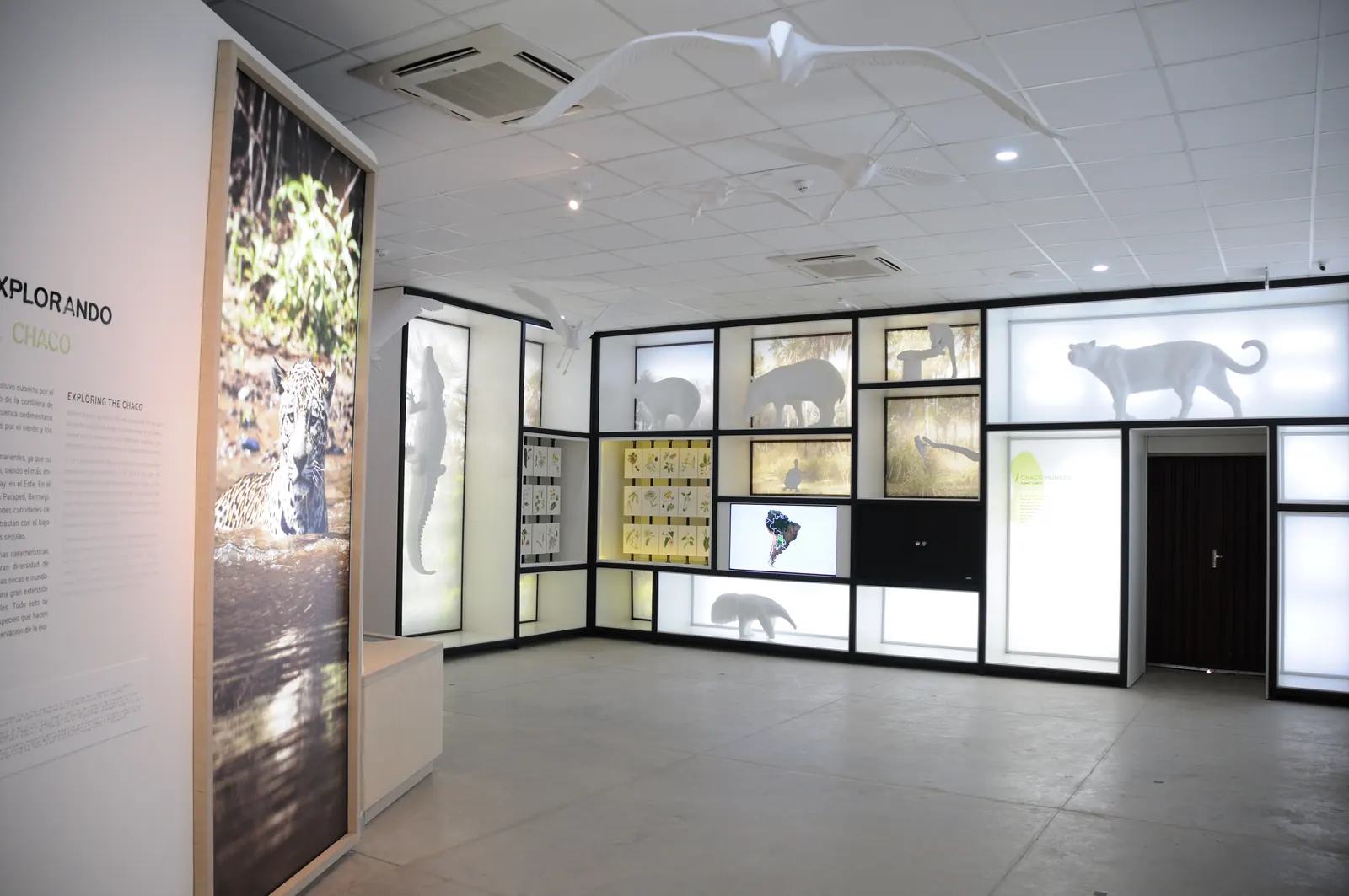
Filadelfia is the easiest base for museums. Fernheim lists the Museo Jakob Unger (natural history and ethnology), the colony's first hospital building from 1932, the Koloniehaus, a school museum and an industrial museum, and its tourism office offers guided visits. Just outside town, the Centro de Interpretación del Gran Chaco Americano, opened in 2020, covers the region's history, wildlife and Indigenous peoples, and has a SENATUR tourist information post.
SENATUR also lists Chaco War sites nearby, the fortines of Boquerón, Isla Po'í and Toledo.
Wildlife and nature
Wildlife is part of why people make the trip to the Chaco. The Museo Jakob Unger in Filadelfia shows 191 of the roughly 250 bird species estimated for the central Chaco.
One protected area you can visit is the Parque Nacional Teniente Agripino Enciso, far along the Transchaco. MADES describes it as a habitat of the taguá, an endangered peccary found only in this region, with trails for walking and birdwatching, the trenches of the former Fortín Siracua from the Chaco War, and Indigenous communities in its buffer zone. Its headquarters are reached on an unpaved road, so check conditions before visiting.
Farther out, the Parque Nacional Médanos del Chaco is under strict conservation, with regulated access and no public visiting hours. MADES notes that it is ancestral territory of the Guaraní Ñandeva and of Ayoreo people living in voluntary isolation, so it is not a place to visit on your own.
Sightings are never guaranteed, so ask in Filadelfia about guided visits.
When to go
The Chaco is hot for much of the year. Climate normals from Paraguay's weather service for Mariscal Estigarribia, covering 1991 to 2020, show June and July as the coolest months, with average highs of about 26 to 27 °C (August averages 30.2 °C), and June to August as the driest, with very little rain. From November to January, average highs pass 35 °C, and December to February brings 46% of the year's rain; MADES warns that dirt roads in the region depend on the weather. July nights average about 13 °C, so pack a warm layer.
If you go in summer, read our summer heat guide for staying safe in the heat.
Practical notes
- Distances between towns are long, and past La Patria the roads are unpaved, so carry water and snacks on long drives.
- The tourism office in the Menno Simons Hof patio in Filadelfia and the SENATUR post at the interpretation centre can help with directions.
- We could not confirm official advice on drinking water or mosquitoes in the Chaco. Ask your accommodation about drinking water and check before visiting.
FAQ
How far is the Chaco from Asunción?
Its main towns are a long way off. SENATUR puts Filadelfia about 470 km from Asunción and Mariscal Estigarribia 520 km, along the Transchaco.
How do I get to Filadelfia by bus?
Take a NASA or Golondrina bus from the Estación de Buses de Asunción; times are in the box above.
Is Chaco'i the same as the Chaco?
No. Chaco'i, officially Nueva Asunción since 2021, is a small town on the west bank of the river, about 10 km from the city and reached by boat; see our Costanera guide. The Chaco region is the whole west of Paraguay, with its main towns hundreds of kilometres away.
When is the best season to visit the Chaco?
The weather service's climate normals show June and July as the coolest months and June to August as the driest. November to January is the hottest stretch, and December to February the wettest.
Planning a Chaco trip, or just back from one? Share tips and find travel company in Community.