
Checked 18 October 2026
Chipa in Asunción: where to buy it, varieties and prices
Chipa belongs in an ordinary Asunción morning or afternoon: a quick purchase near home, a snack between errands, or something to take back for breakfast. Knowing where to buy it and which kind you want is more useful than building a tasting itinerary. Here are concrete starting points, a price reference and the ingredient questions that matter.
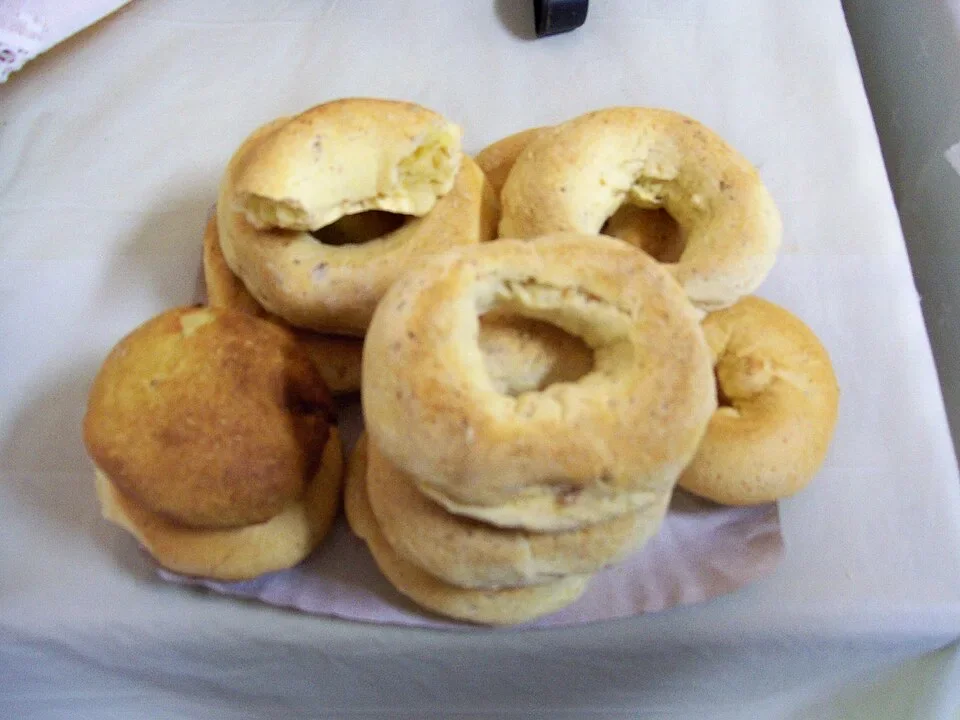

Where to buy: start with the outlet nearest your routine
The Hijas de Feliciana outlet directory lists these addresses and telephone numbers. Use the product catalogue to see varieties before you go. The directory does not publish reliable branch hours or prices: call the chosen outlet about opening, stock and whether you can buy individual pieces.
These are three outlets of one producer, not a ranking of competing chiperías. Compare the journey from home or work; crossing the city for a basic snack may add more transport cost than the food itself.
| Outlet | Published address / map search | Contact |
|---|---|---|
| Casa Central | Gines 1013 casi Perú | 021 222 899 / 021 208 247 |
| Perú | Perú 1021 casi Pettirossi | 0981 769 491 / 0994 311 416 |
| La Herencia | Juan de Salazar 698 esquina Espinoza | 021 222 824 |
A price reference you can actually compare
On 18 October 2026, El Café de Acá’s delivery menu displayed Chipitas de acá (3 units) at Gs. 15,000, chipa so’o at Gs. 16,000 and chipa guazu tradicional at Gs. 24,000. Delivery fees, drinks and any branch differences are separate. The three-chipita portion works out to Gs. 5,000 per piece, but sizes and recipes differ: do not compare that mechanically with a large chipa elsewhere.
Chipa guazu is a separate preparation, not simply a larger ring-shaped chipa. Check the name and portion before ordering. For takeaway, ask “¿Cuándo salió del horno?” and “¿Cuánto sale una unidad?” if freshness and a single-piece price matter to you.
What the names do (and do not) tell you
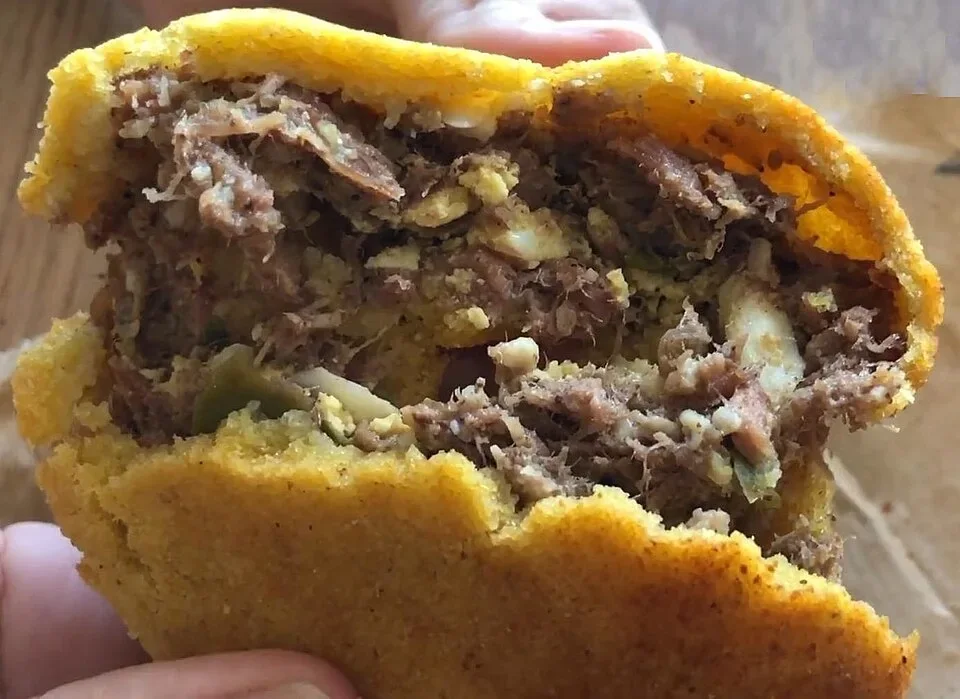
The producer’s catalogue includes almidón, avatí, mestizo, pirú and so’o. So’o is the meat-filled option; ask what filling is available. Caburé, described by the culture ministry, is cooked on a stick. Names alone do not establish every flour, filling or cooking fat.
A useful dietary example is Feliciana’s Chipa Kesú: its description says vegetable oil, no egg and no anise. That does not say dairy-free or vegan. The INAN traditional recipe includes cheese, milk and eggs. Ask “¿Lleva grasa de cerdo o manteca?”, “¿Tiene queso, leche o huevo?” and, when relevant, “¿Qué harinas lleva y cómo evitan el contacto con gluten?”.
Buying for later? Ask the seller how to store and reheat that product. The catalogue also lists raw chipa dough; distinguish ready-to-eat pieces from dough that still needs cooking. For a broader meal, see the Paraguayan food guide.

Frequently asked questions
Where should I start?
Choose one of the published outlets near your home or route, and call about today’s hours and stock. This guide does not rank them by taste.
Is chipa vegan or gluten-free?
Neither is guaranteed by the name. Check dairy, egg, cooking fat, all flours and cross-contact with the seller.
How much should I budget?
The checked café delivery example was Gs. 15,000 for three chipitas. Use it as a dated reference; confirm the actual outlet price and any delivery charge.
More about Asunción
For practical local questions, visit the Open Asu community.
Sources checked on 18 October 2026: SNC: Chipa; INAN: Chipa Paraguaya; El Café de Acá: menú; Hijas de Feliciana: puntos de venta; Hijas de Feliciana: chipería. Published information checked online; confirm current availability with the venue. Map links are searches using published locations, not verified entrances.