
Areguá, Paraguay: An Easy Day Trip from Asunción
Areguá, Paraguay, is a lakeside town known for ceramics and strawberries, and it is an easy afternoon trip from Asunción. It is about 21 km from the Ycuá Satí / Villa Morra side of the city, roughly 40 to 60 minutes by ride app, and several bus lines run there. The main reasons to go are the stone columns of Cerro Kõi, the ceramics workshops and the view over Lago Ypacaraí. From July to September, the Expo Frutilla strawberry fair adds another reason. For more places closer to home, see our Explore page.
Areguá, Paraguay at a glance
The table covers the main sights in Areguá. Cerro Kõi is the one with fixed daily hours, CEPROCA needs an appointment, and the ceramic-painting café opens from Friday to Sunday. The Castillo Carlota Palmerola is a building you see from the street, and the Expo Frutilla is seasonal.
How to get to Areguá from Asunción
By bus. Line 11 (Grupo Bene) runs from Areguá via Capiatá, San Lorenzo and Fernando de la Mora to the Palacio de Justicia in downtown Asunción. Grupo Bene's line 203 also runs from Areguá, via Luque, to Mercado 4. Line 110 (Cerro Koi) goes to Cerro Kõi itself. Exact boarding stops in Asunción are not confirmed, so check Moovit for the stop nearest you before visiting. For paying the fare, see how bus cards work.
By ride app. From the Ycuá Satí / Villa Morra side of Asunción, the town is about 21 km away and Cerro Kõi about 22 km. Both take roughly 40 to 60 minutes. These are estimates, and traffic changes them. See booking a ride.
Cerro Kõi: the stone columns
Cerro Kõi is a protected hill with rare hexagonal sandstone columns. Similar formations are known only in Canada and South Africa. From the hill you can see Lago Ypacaraí.
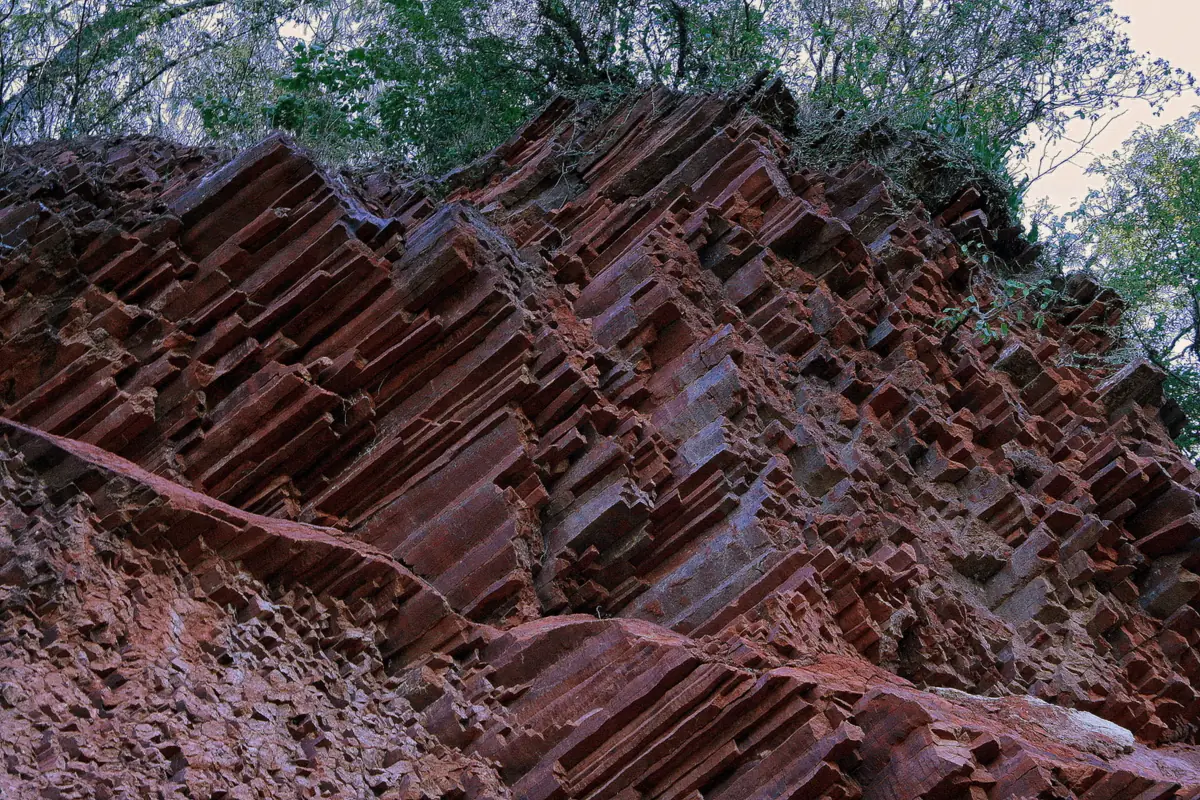
It opens every day except on rainy days, and it closes in the mid-afternoon, so arrive early in the afternoon at the latest. The trail is about 1,200 m long and takes around 45 minutes, a short hike with medium effort. Check the weather before you go, since it is all outdoors. No official source confirms whether there is an entry fee, so check before visiting. Map
Crafts and ceramics
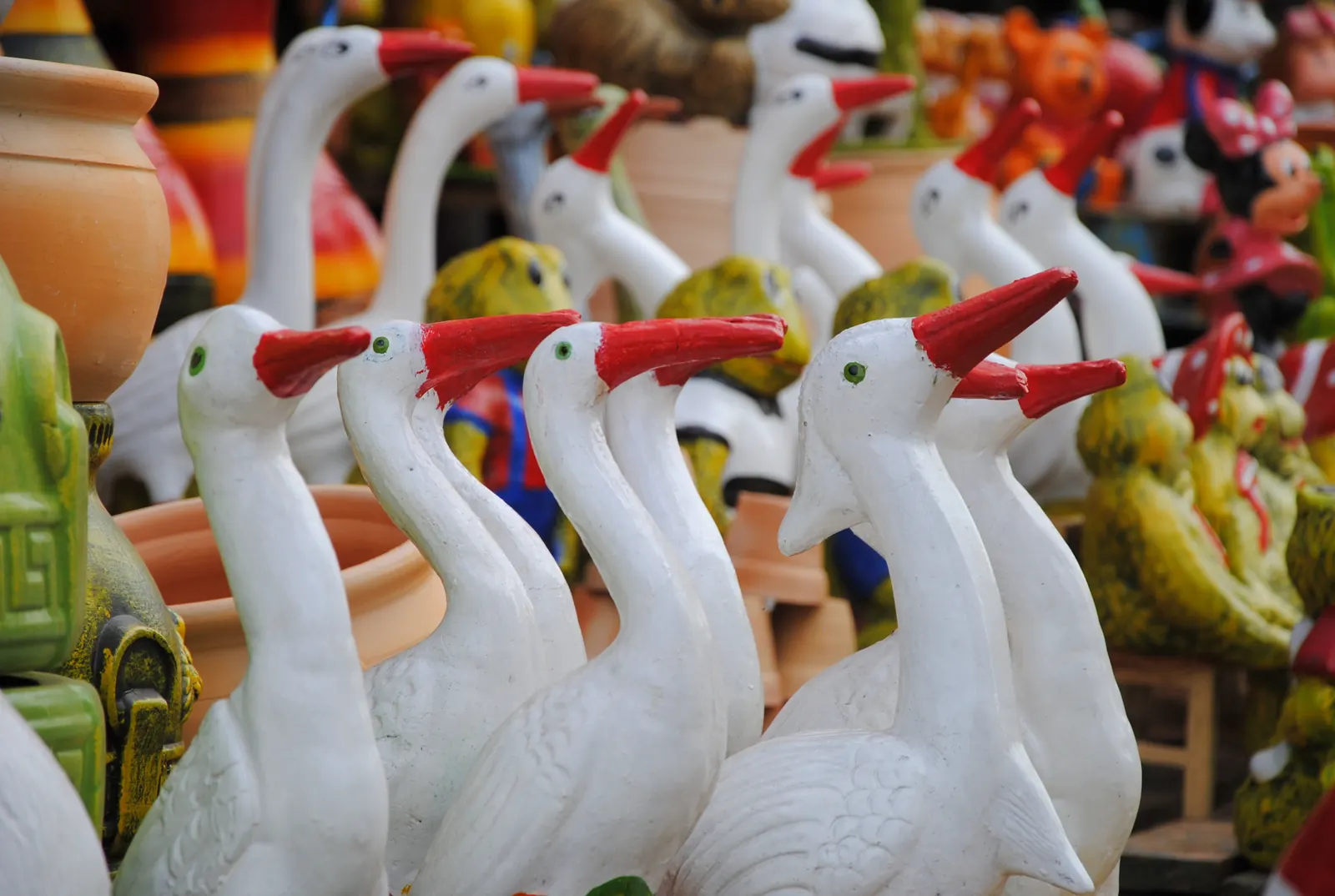
Ceramics are what Areguá is known for, and there are two ways to see them up close.
CEPROCA is a ceramics production center that you visit by appointment, so book before you travel. The price is an estimate and sits in the box above.
Paint your own piece. Nina Café, a lakeside café in the Estanzuela area facing the lake, lets you paint a ceramic piece and take it home. It opens from Friday to Sunday. The price includes materials, and food is extra. Booking details are in the box above. Map of Areguá
The Candelaria church and the town center
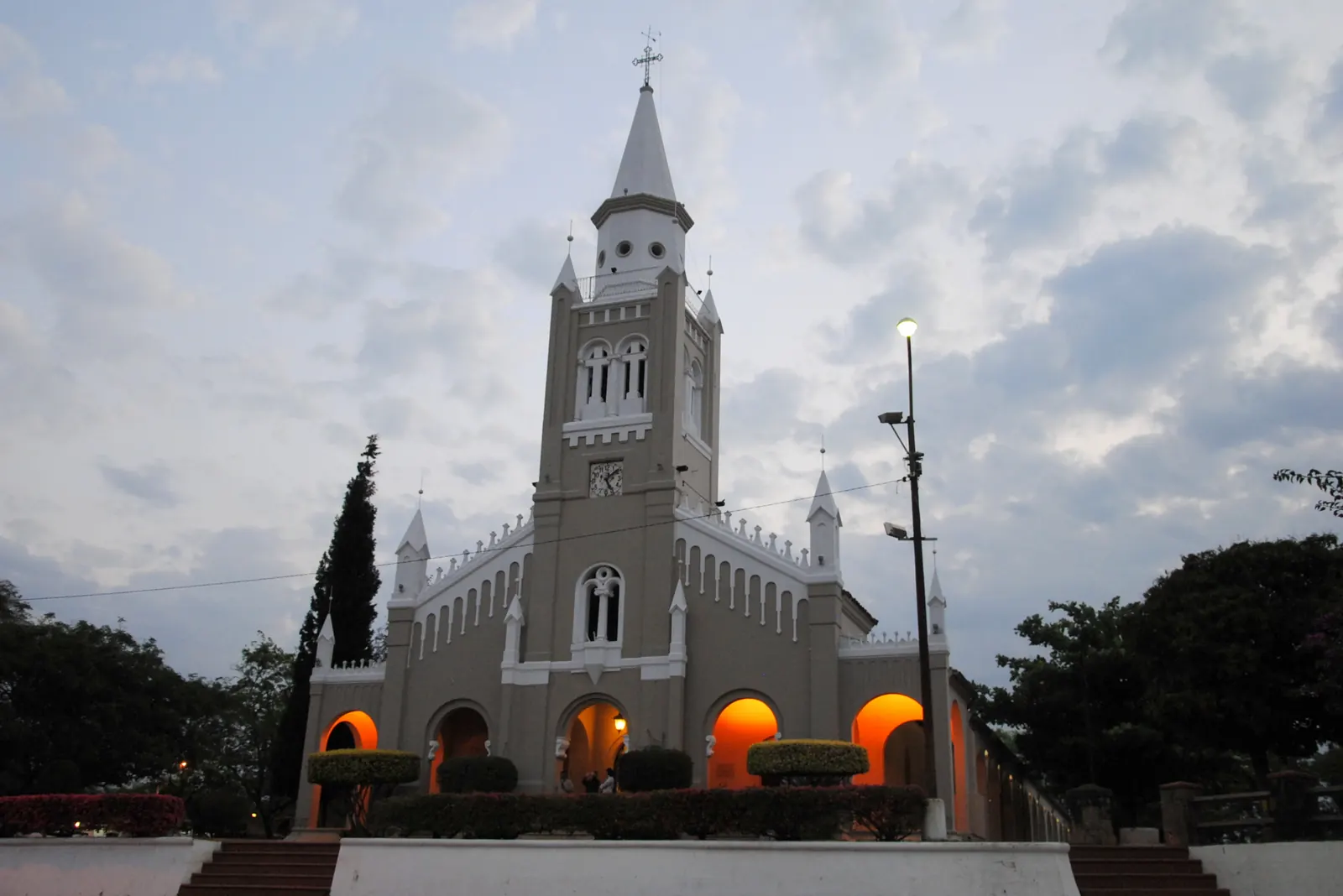
The Candelaria church in Areguá dates from 1862. Sources disagree on its visiting hours, so check before visiting; mass times are in the box above. In town you can also see the Castillo Carlota Palmerola from the outside. Its owners, the Dominican Sisters, said in March 2025 that it was closed for remodeling until further notice. Both are in the town itself, so they fit between Cerro Kõi and a ceramics stop.
History of Areguá
Areguá's Spanish history goes back to 1576. Older history books, following Félix de Azara, credit Governor Domingo Martínez de Irala with founding the town. Archive research by the historian Margarita Durán Estragó found that the first recorded Spanish resident of the Tapaycuá valley, Juan de la Torre, arrived in 1576, after Irala's death. A decree of 13 November 1862 raised the Valle de Areguá to the rank of parish, and the National Archive holds the document. Durán Estragó's work on the town is published as "Areguá: rescate histórico 1576 a 1870".
The lakeshore: walk, don't swim
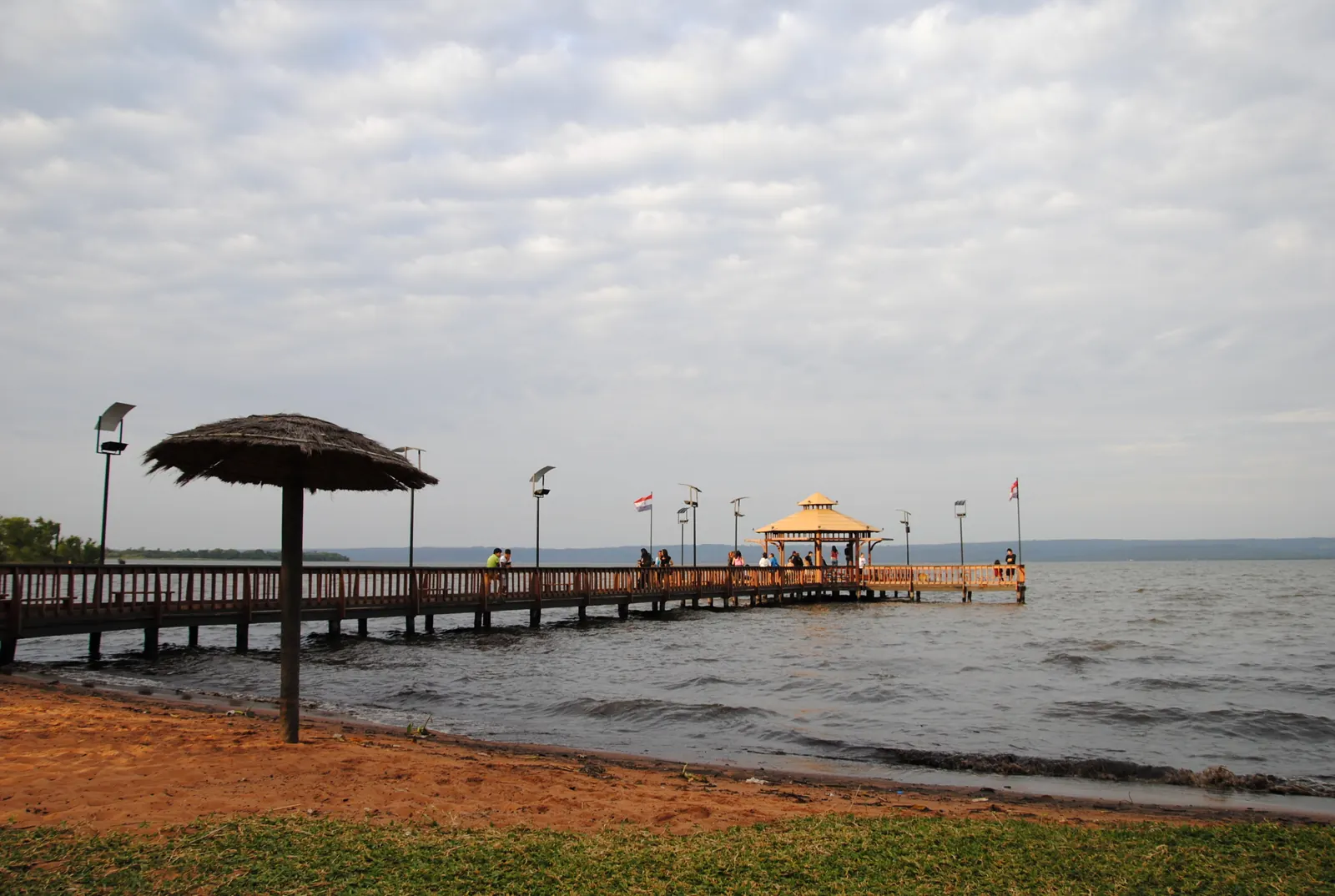
Areguá has a town beach on Lago Ypacaraí, and it is a place to walk and watch the sunset over the lake, not to swim. Before the 2025 to 2026 summer, the environment ministry (MADES) said the lake is not fit for bathing. In 2019 the Gobernación de Central opened a 400 m lakeside promenade there, with lighting and sports courts. A January 2024 ABC report mentioned litter, too few bins and a poorly kept pier. We found no 2026 update on facilities or fees, so check before visiting.
Expo Frutilla (July to September)
The Expo Frutilla is Areguá's strawberry fair. It is held every winter along the town's main avenue, with more than 80 producer families taking part. Entry is free, and you pay for the food you buy. In 2026 the fair was open every day of its run.
The dates change each year, so check this year's before you go. The 2026 edition was scheduled from 18 July to 30 September, and the 2027 dates have not been announced. Weekdays are calmer than weekends while the fair is on. When it is running, look for it in Find a performance.
A plan for the afternoon
Afternoon to sunset is the best time for Areguá. A simple plan:
- Arrive in the early afternoon and go straight to Cerro Kõi, since it closes in the mid-afternoon.
- Head into town for ceramics: your CEPROCA appointment, or a painting session at the café from Friday to Sunday.
- See the Candelaria church and the Castillo Carlota Palmerola from outside.
- Stay for sunset by the lake.
If you go while the Expo Frutilla is on, a weekday visit is calmer. If it rains, Cerro Kõi may not open, so save it for a dry day.
Combine with nearby towns
San Bernardino and Lago Ypacaraí. San Bernardino, a town founded by German immigrants, has catamaran rides through the day. It also has Aventura Xtrema, a treetop adventure park near Playa La Rotonda with arborismo circuits and ziplines. Its circuits suit different ages and experience levels, with specialist guides and safety gear. From the Ycuá Satí / Villa Morra side of Asunción, San Bernardino (about 36 km) is roughly an hour by ride app, or about 1 to 1.5 hours by bus depending on where you board. Check Moovit for current routes and times before you go. Map
Itauguá. Itauguá is known for ñandutí lace. The Coordinadora de Artesanos de Ñandutí, in the Municipal Cultural Center building on Ruta PY02, opens on weekdays and Saturday mornings, and an artisan there explains the craft and can teach it. The Museo Comunitario del Ñandutí, on Gral. Caballero between Defensores del Chaco and Pa'í Pérez, opens on weekdays. Lace is for sale. It is about 45 to 70 minutes by ride app via Ruta PY02 from the Ycuá Satí / Villa Morra side. Map
For plans in the city itself, see free and low-cost things to do in Asunción.
FAQ
How do I get to Areguá from Asunción?
By bus, line 11 runs between Areguá and the Palacio de Justicia downtown, and line 203 runs between Areguá and Mercado 4 via Luque. Line 110 goes to Cerro Kõi. Check Moovit for the nearest stop. By ride app it is roughly 40 to 60 minutes from the Ycuá Satí / Villa Morra side of the city.
What is there to do in Areguá?
Walk up Cerro Kõi to see its hexagonal sandstone columns and the view of Lago Ypacaraí, visit the CEPROCA ceramics center by appointment or paint your own ceramic piece, see the 1862 Candelaria church, and stay for sunset by the lake. From July to September, add the Expo Frutilla.
What are the main sights in Areguá?
Cerro Kõi, the CEPROCA ceramics center, the Candelaria church, the Castillo Carlota Palmerola (from outside), the lakeshore and, in season, the Expo Frutilla. See the at-a-glance table.
What crafts is Areguá known for?
Ceramics. You can visit the CEPROCA production center by appointment or paint your own piece at a lakeside café from Friday to Sunday.
When is the Expo Frutilla?
Every winter, roughly July to September. The 2026 edition was scheduled from 18 July to 30 September. Check this year's dates before you go.
Do you have to pay to enter Cerro Kõi?
No official source confirms an entry fee or free entry, so check before visiting. The hill opens every day except on rainy days.
Going with others is more fun: suggest an Areguá trip on Meetups.