
Culture · Memory and human rights
Museo de las Memorias: arrange a thoughtful visit in Asunción
Sources checked 3 November 2026
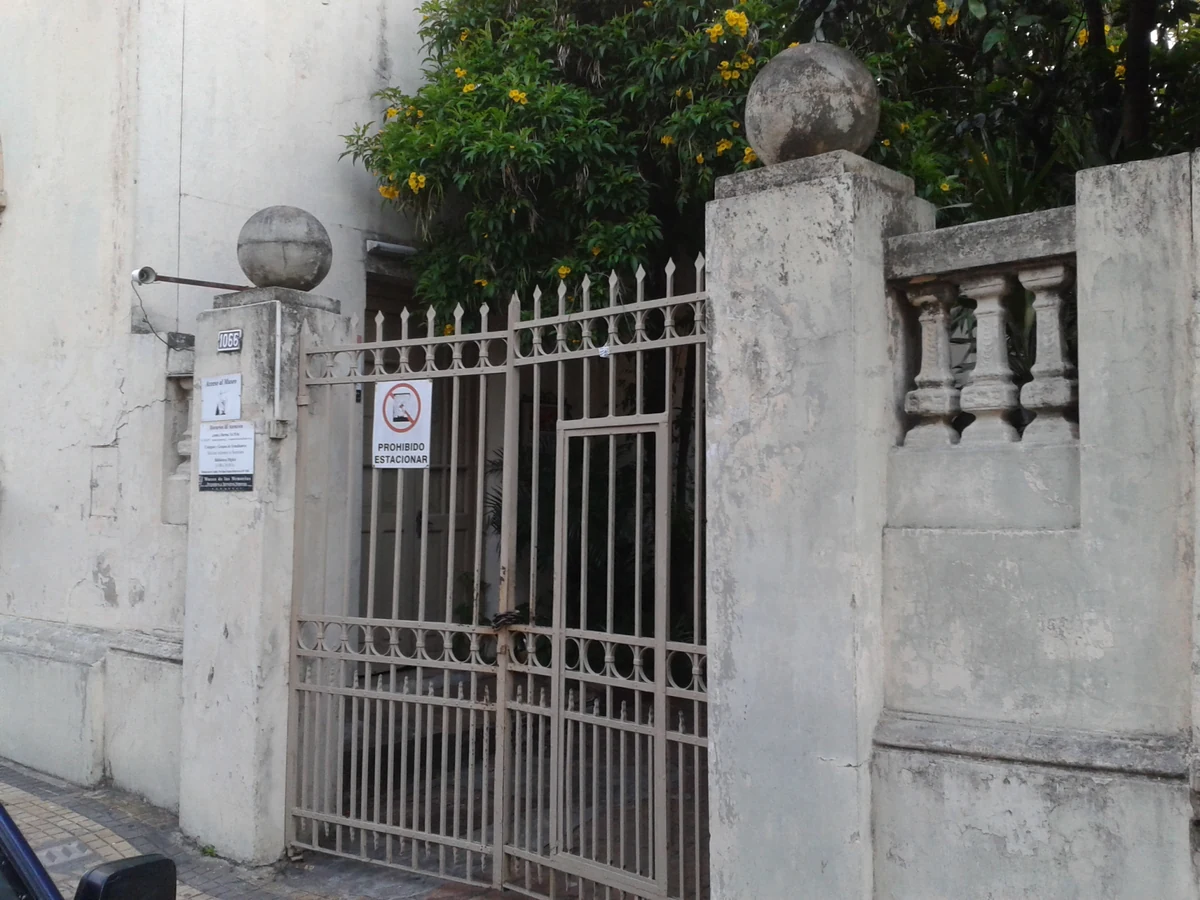
For residents who want to understand Paraguay's recent history, the Museo de las Memorias offers a focused visit to a place directly connected with political repression. At Chile 1066, the former Dirección Nacional de Asuntos Técnicos, known as La Técnica, now serves as a site of memory and human-rights education. Arrange the visit before going: published schedules disagree, and this is a subject that deserves time rather than a hurried stop between errands.
What the place helps you understand
The museum's RESLAC network profile connects the building to Alfredo Stroessner's dictatorship, 1954–1989. It records the museum's operation there since 25 December 2005 and describes educational work with students and teachers, commemorations and exhibitions. The Fundación Celestina Pérez de Almada and Mesa Memoria Histórica are central to that work.
The building matters alongside the material shown inside. Paraguay's Secretaría Nacional de Cultura documents La Técnica's role as a place of imprisonment and torture, and its closure in January 1993. Read that history before arriving if you want to spend the visit listening and asking questions instead of trying to establish the basic chronology.
An effective starting question is how a place associated with repression becomes a place for public education. Ask what has been preserved, what was added for interpretation, and how survivors' accounts are presented. Those questions help separate the building's history from later exhibition choices without treating people's suffering as a spectacle.
Address, admission and the hours problem
Use Museo de las Memorias, Chile 1066, between Jejuí and Manduvirá, Asunción when planning the journey. The RESLAC entry also mentions number 1072. Giving the museum name and cross streets is more useful than relying on a house number alone.
Two institutional listings checked on 3 November 2026 give different arrangements:
- RESLAC: free visits Monday to Friday, 08:30–15:00; groups coordinate in advance. Published telephone: +595 21 493 873.
- Noche de los Museos organizer directory: Monday to Friday, 09:00–14:00, with advance arrangement by email. It lists ma.stella.caceres@gmail.com, +595 21 425 345 and +595 981 508 883.
Neither listing provides a clear recent update date. Use the organizer's museum entry to find its linked official Facebook page and contact details, then obtain a response for your intended day. Free admission is supported by the network profile; a precise opening time for your visit remains unconfirmed. These sources do not establish ordinary weekend opening.
Planning steps in text
- Arrange your visit: Confirm the day, time and group size.
- Ask about access: Check steps, seating and visit language.
- Leave time to reflect: Plan the journey and a pause afterwards.
What to ask when arranging the visit
Send a short request with your preferred date, approximate arrival time, number of visitors and preferred language. Ask whether the museum will be open, whether someone can explain the site, and how much time the available visit requires. Do not assume an English- or Portuguese-speaking guide is present every day.
If access is important, ask specifically about steps, doorways, seating and toilets. The sources checked do not establish a complete step-free route. Families should describe children's ages and ask about the material's suitability; schools should agree the learning purpose and group arrangements before arriving. A simple reply confirming the visit is worth more than a map application's “open now” label.
Give the visit room in your day
Our planning suggestion is to keep 60–90 minutes available, subject to the museum's advice, plus travel and a pause afterwards. This is an editorial allowance, not an advertised tour duration. Choose a confirmed weekday slot and avoid attaching a fixed-time appointment immediately after it.
Ask before photographing displays or recording explanations. If other visitors share personal experiences, do not photograph or quote them without permission. It is reasonable to step outside or finish early if the material feels overwhelming. A quiet conversation afterwards can be more appropriate than immediately moving to another demanding exhibition.
Museo de las Memorias and Archivo del Terror are separate destinations
The names are related historically, but they do not describe the same visit. The Museo de la Justicia and Centro de Documentación y Archivo para la Defensa de los Derechos Humanos, associated with the Archivo del Terror, are at the Palacio de Justicia, Alonso and Testanova, according to the Poder Judicial's institutional page. Do not send a driver there when your appointment is on Chile.
For documentary research, contact that institution separately. Its November 2025 digital-repository announcement describes online material concerning Operation Condor. A museum appointment does not automatically include archival consultation or permission to reproduce documents.
For a broader cultural plan, use our Asunción museum overview. For this particular visit, prioritize a confirmed appointment, respectful attention and enough time to absorb what you learn.
Map: Locate Museo de las Memorias on Chile, between Jejuí and Manduvirá.
For everyday local tips, find the Open Asu community on WhatsApp.